
Brain scans show autistic brains are far more diverse than group averages suggest
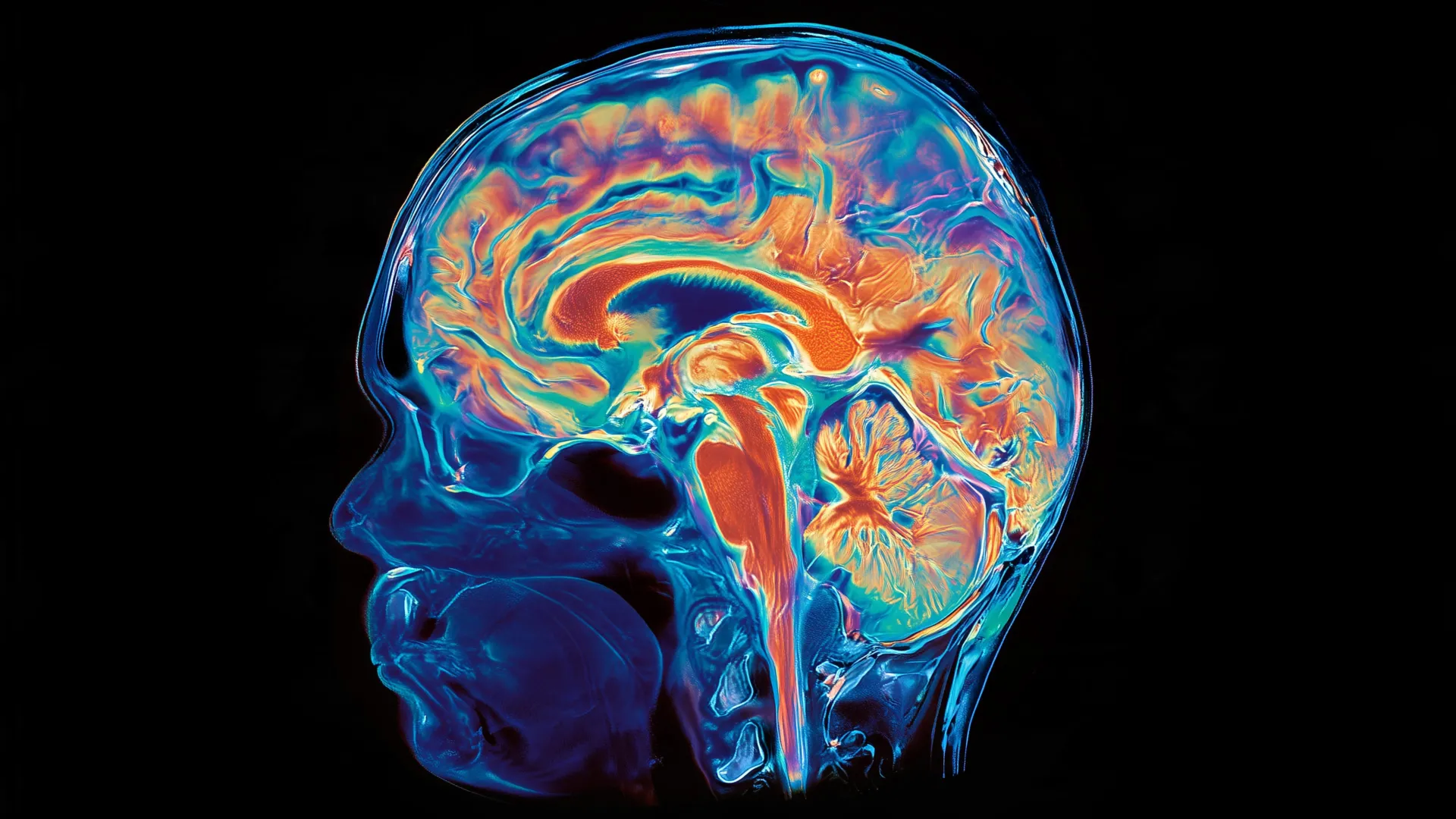
Brain scans recorded while adults watched films show that autism spectrum disorder (ASD) may involve far more individual variation in neural activity than group-average studies typically capture. A collaboration led by Dorit Kliemann and James Traer of the University of Iowa, reported in JNeurosci, reanalyzed imaging collected at Indiana University and Caltech as people with and without ASD viewed movies spanning animation, action, romantic comedy, and Hitchcockian thrillers.
Researchers trained a computational model to link brain activity with sounds, visual information, and more complex social cues in those dynamic scenes. After training, the model predicted activity across multiple brain systems with similar success for the two groups when responses were averaged. Individual patterns told a different story: among adults with ASD, activity departed more from their group mean, with greater person-to-person spread in nearly every system examined and the largest differences in networks that process social information.
Kliemann noted that the model made it possible to look for robust responses to many aspects of complex, changing movie contexts, which could clarify social difficulties linked to ASD. Traer said the team was surprised by how similar the group averages were and argued that research should turn to how and why individual brains differ. Existing approaches that rest on diagnostic-group comparisons may miss meaningful variation; identifying ASD subgroups, Kliemann added, could support a more precise picture of the condition and more individually tailored help. The researchers plan to map how, where, and when these activity differences line up with individual differences in ASD-related behavior.
Continue in the app — vote & join in ➔