
Psilocybin users with depression continue using standard mental health care
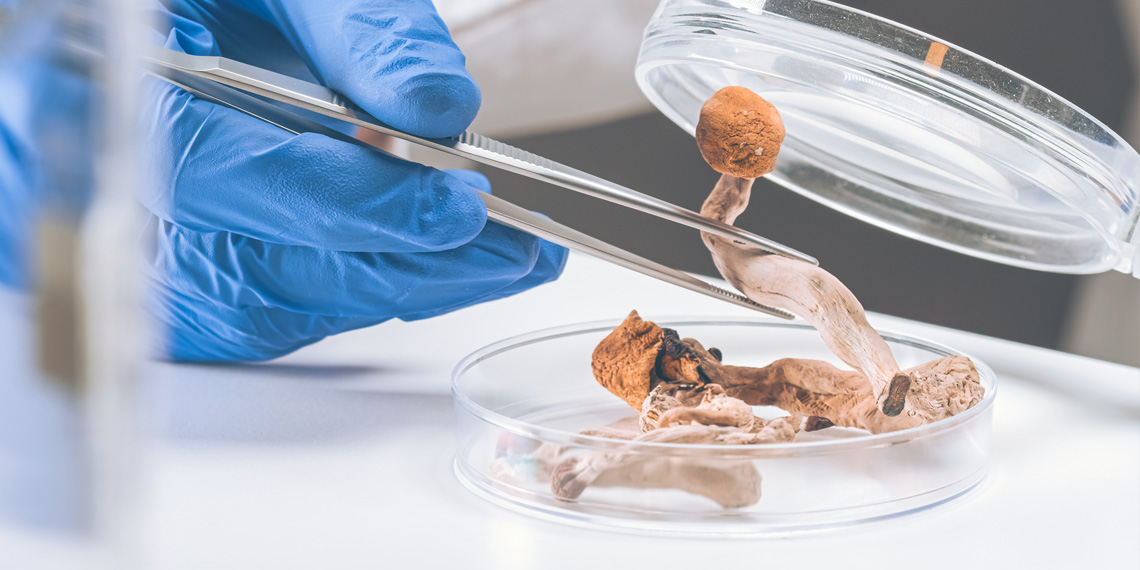
A nationally representative U.S. study suggests that people with depression who use psilocybin mushrooms are not generally abandoning conventional mental health care. Researchers analyzed the 2024 National Survey on Drug Use and Health, the first edition to ask respondents how recently they had used psilocybin, and focused on 6,793 people who met criteria for a major depressive episode during the previous year. Participants had experienced at least five of nine depressive symptoms within the same two-week period.
Those who had used psilocybin in the past 12 months accessed outpatient treatment, telehealth services and prescription medications at broadly similar rates to depressed people who had not used it. The findings therefore point to psilocybin use and standard psychiatric care often existing side by side, rather than one replacing the other. However, more than half of respondents in both groups reported that they still needed mental health treatment or had not received enough of it, with recent psilocybin users notably more likely to describe their needs as unmet.
The study does not test whether psilocybin improves depression or explain why people use it. Its results instead highlight the difference between carefully supervised clinical trials and unregulated use outside research settings, where dosing, psychological support and medical oversight may be absent. Lead researcher Avery Chan Eun of the University of California, San Diego School of Medicine said the team sought to examine whether growing interest in psychedelics was linked to reduced use of conventional care. The results suggest that the larger problem may be difficulty obtaining adequate treatment, even among people who continue using established services.
Continue in the app — vote & join in ➔