
The Sea Forced Mexico’s El Bosque Community From Its Home
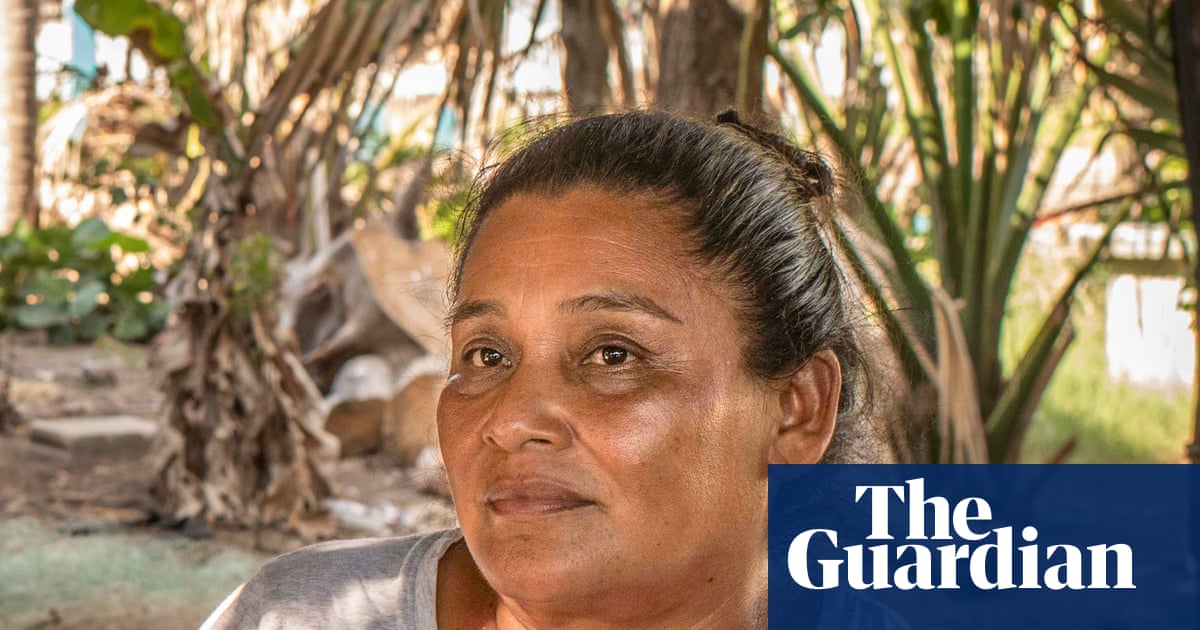
El Bosque was a fishing village on Mexico’s Tabasco coast where every household depended on the sea. Men fished offshore, while women caught crabs, cast nets from the shore and prepared food for fishermen and tourists. Guadalupe Cobos Pacheco moved there at 12, raised her children and grandchildren there, and once believed she would leave only for the cemetery.
The warning signs appeared gradually. Trees that had stood for decades began disappearing in 2017, followed by the first house in 2019. When climate scientist Dr Lilia Gama visited in 2022, she said coastal erosion had become irreversible and that stronger winds, warmer water, deforestation, construction and offshore oil platforms had removed the village’s natural protection. A storm on 7 November 2022 destroyed the homes of Cobos Pacheco’s sister and mother, making clear that the community could not remain.
After further houses collapsed and power failures left residents without basic possessions in early 2023, the community sought government help with support from Conexiones Climáticas and Greenpeace. The president agreed to assist, and Tabasco’s state government donated land near Frontera for Nuevo Bosque, where residents were relocated in 2023. El Bosque became Mexico’s first officially recognised climate-displaced community.
The move brought safety but also profound loss. Residents were placed far from the sea, river and fishing grounds, disrupting their work, food supply and daily routines. Older people struggle with reduced income and poorer health, while many residents remain in mourning for the territory and way of life they were forced to abandon.
Continue in the app — vote & join in ➔