
Study links bipolar depression and mood swings to sexual distress
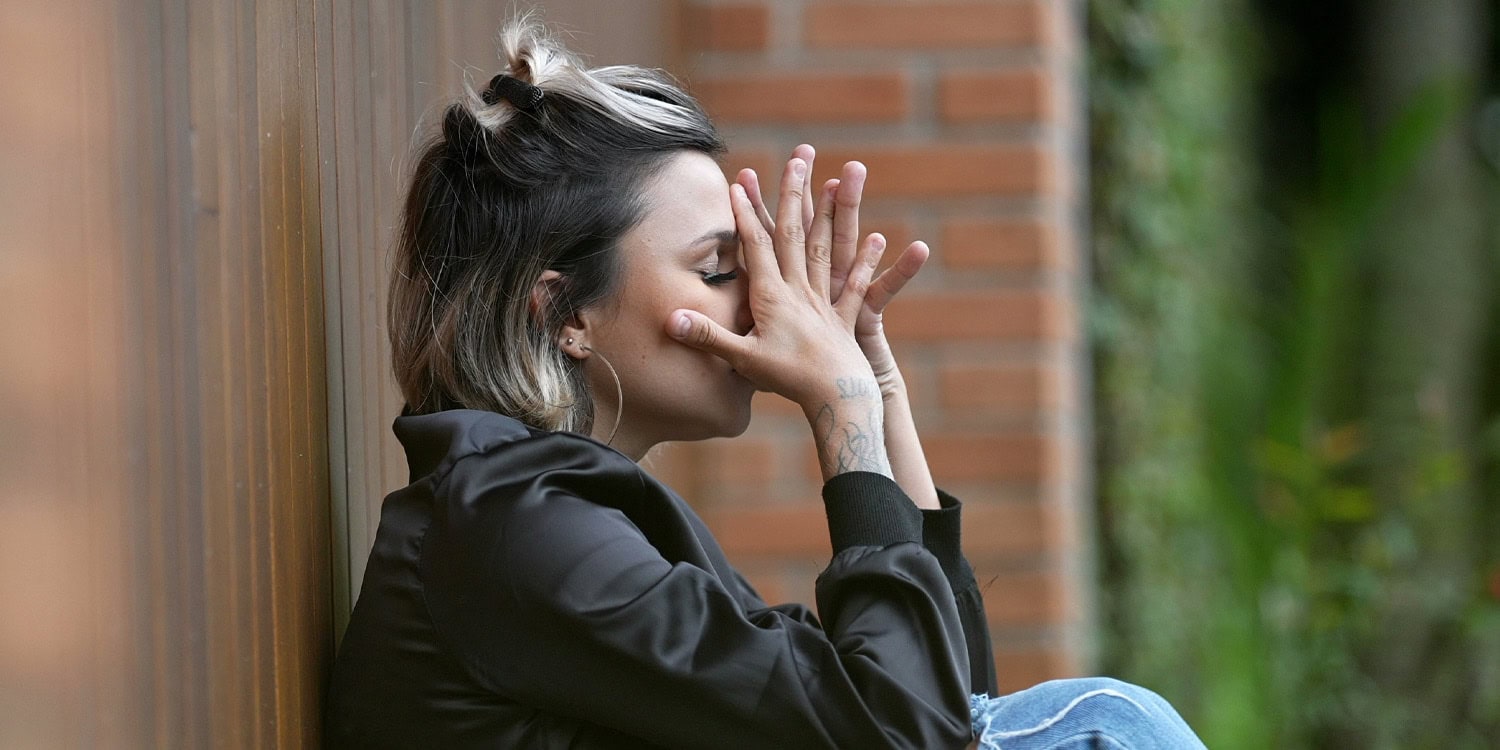
A six-month study examined how mood symptoms affect sexual wellbeing in 236 adults aged 18 to 68 who had been diagnosed with bipolar disorder within the previous two years. Researchers from the Sexology Clinic at Copenhagen University Hospital and the University of Copenhagen assessed participants at the beginning of the study, after three months and after six months, using standard measures of depression and mania, questionnaires on sexual desire and sexual distress, and a broader quality-of-life assessment.
The findings distinguished between sexual desire and sexual distress. More severe depressive symptoms were associated with reduced sexual desire and greater distress related to sex. Day-to-day mood instability, measured through daily smartphone check-ins on a nine-point mood scale, was linked specifically to higher sexual distress. This instability reflects emotional fluctuations that can occur between full depressive or manic episodes, rather than only during formally diagnosed episodes.
The researchers, whose work was published in the Journal of Psychiatric Research, say the results underline the importance of discussing sexual health during routine bipolar care. Sexual distress can include frustration, worry, grief or feelings of inadequacy, and is not identical to physical sexual dysfunction. Longitudinal data such as these may help clinicians recognize problems that could be missed when assessments focus only on major mood episodes.
Continue in the app — vote & join in ➔