
Dolphins with Larger, Stable Social Groups Tend to Live Longer
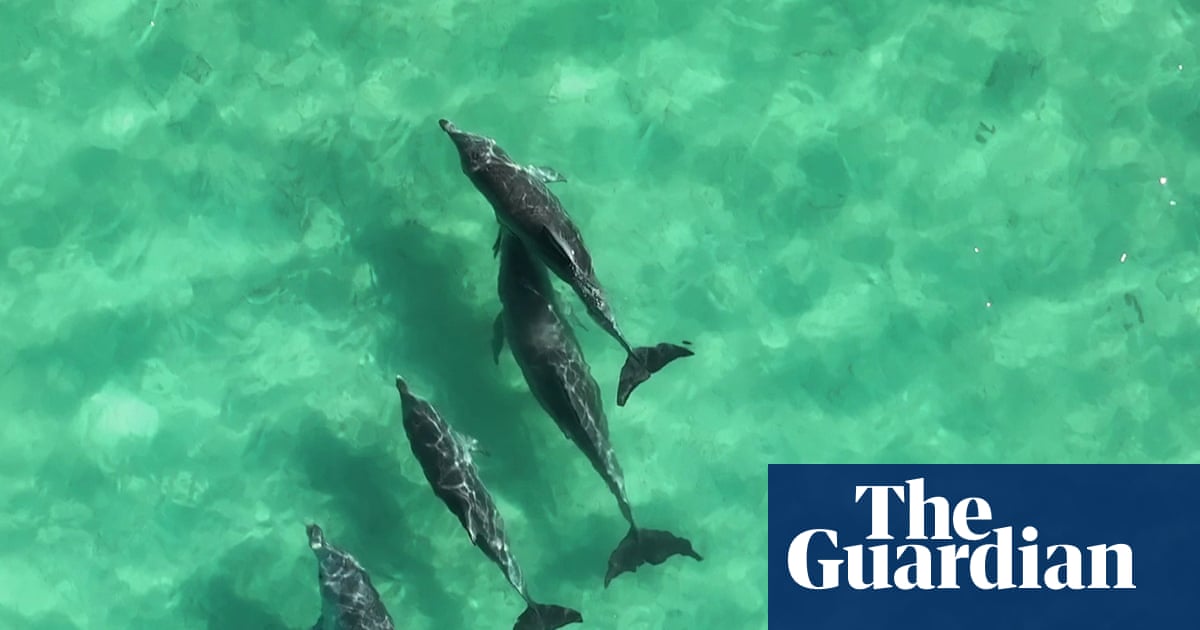
A study published in PLOS Biology suggests that social stability may be linked to longevity among Indo-Pacific bottlenose dolphins, which can live for more than 50 years. Researchers analysed nearly 40 years of observations from Shark Bay in Western Australia, covering tens of thousands of sightings. Because individual dolphins could be recognised by their colouring, location and distinctive marks on their backs and dorsal fins, the team was able to track changes in their social lives over time.
The dolphins’ groups generally grew larger during youth and early adulthood before shrinking later in life. Those that maintained the strongest and most consistent social connections tended to live the longest. Lead author Kelley Meehan of the University of Queensland said older dolphins became more selective about which groups they joined, possibly because they had lost closely bonded companions. Socialising can help dolphins form alliances, exchange information and find mates, but it may also increase stress or disease transmission.
Males typically travelled in larger groups than females, reflecting the importance of alliances in securing mates. Females spent more time with relatives and dolphins sharing similar habitats or foraging strategies, with group sizes varying widely. Co-author Celine Frere said the long-term records showed how individual preferences change with age and sex. Cetacean researcher Mike Bossley, who was not involved, said the findings further demonstrate the complexity of dolphin societies and their parallels with human social behaviour.
Continue in the app — vote & join in ➔