
ICJ to rule Thursday on whether Myanmar committed genocide against the Rohingya
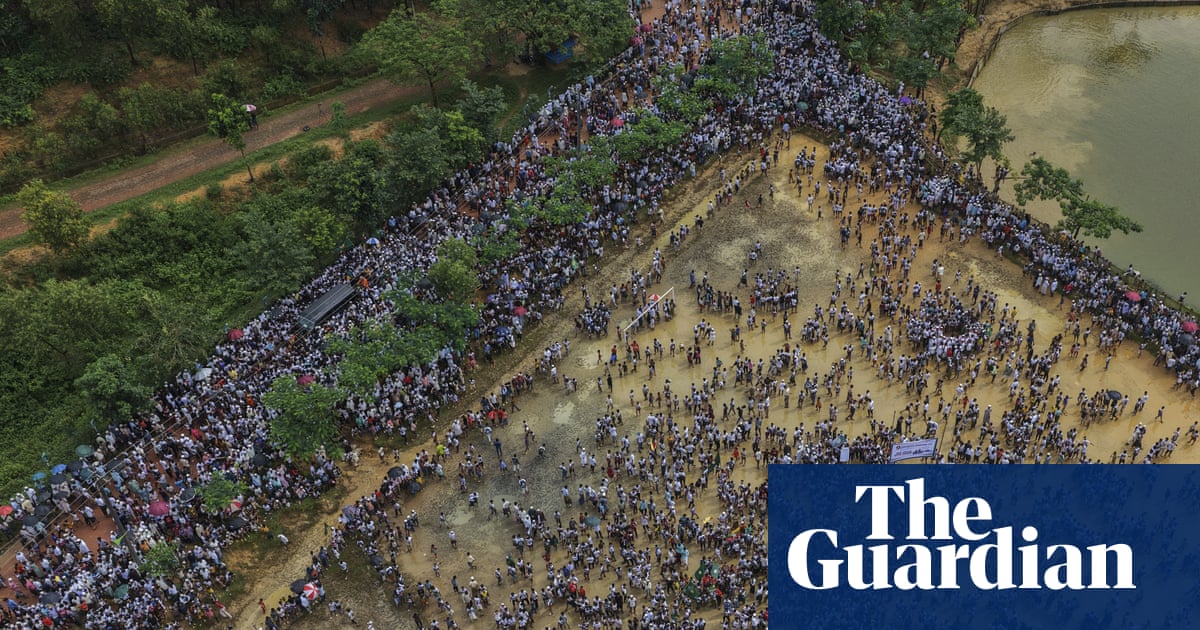
The International Court of Justice in The Hague will deliver its judgment on Thursday morning on whether Myanmar committed genocide against its Rohingya minority, in a case The Gambia has pursued for seven years under the 1948 UN genocide convention. The world’s top court has never found a state responsible for genocide, a crime defined after the Nazi-led Holocaust as acts committed with intent to destroy, in whole or in part, a national, ethnical, racial or religious group; the outcome is expected to set a 21st-century benchmark and may also affect a separate high-profile genocide case against Israel.
Nearly a decade after a military campaign forced hundreds of thousands of Muslim Rohingya to flee, former UN investigator Yanghee Lee called the ruling historic and said the international community failed to prevent atrocities nine years ago. Antonia Mulvey of Legal Action Worldwide, which represents hundreds of survivors, said she was cautiously optimistic, citing repeated patterns: attacks on civilians, burning of villages, separation of men and women, sexual violence, and killings of those who fled. She argued rape and mutilation—including soldiers mutilating women’s genitals and biting faces—were meant to brand people and stop reproduction. Two earlier ICJ cases on Balkan atrocities did not find states directly responsible for genocide, though Serbia was held legally responsible for failing to prevent genocide at Srebrenica.
In January the court heard Rohingya survivors from camps in Bangladesh behind closed doors; one witness said her child was taken, stabbed and thrown into a fire, and another described bodies in a mass grave. Gambian justice minister Dawda Jallow told judges the case was about real people targeted for destruction. Myanmar denies genocide, saying it targeted a militant uprising. Rohingya have long been stripped of citizenship amid discrimination and communal violence with Buddhists in Rakhine state. After guerrilla-style attacks by a Rohingya militant group in summer 2017, the army launched massive “clearance operations.” Refugees described a massacre at Tula Toli, including the drowning of children; satellite footage later showed the village razed.
Continue in the app — vote & join in ➔