
SpaceX launches Starship rocket, booster explodes over Gulf of Mexico
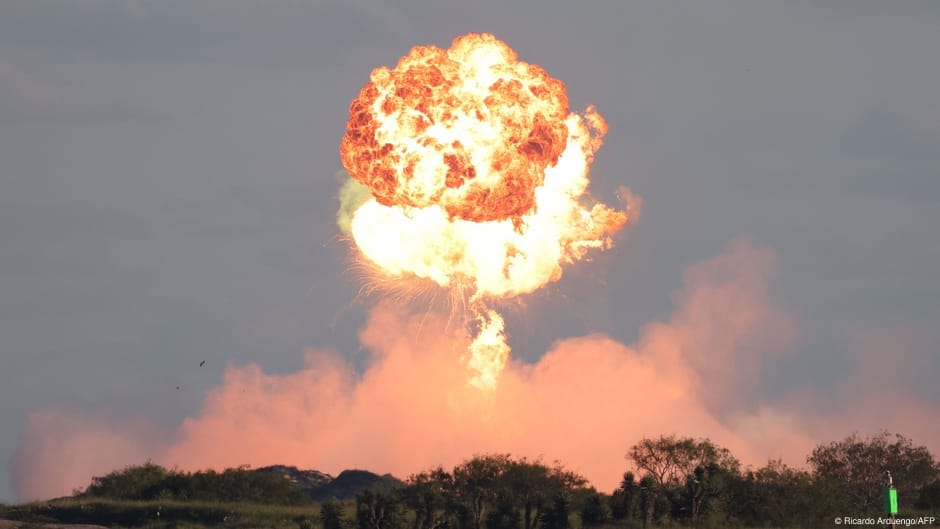
SpaceX conducted the latest uncrewed test flight of its Starship rocket on Friday, lifting off from its Starbase site in South Texas. Although the mission successfully deployed 26 Starlink satellites into orbit, the company failed to recover the booster rocket as intended. Rather than touching down at the launch pad, the booster diverted toward a designated offshore area and exploded over the Gulf of Mexico. SpaceX representative Dan Huot stated that the company was not yet sure why the booster could not be brought back.
Measuring 124 meters (407 feet) tall, Starship is the world's largest and most powerful rocket system, designed to carry both cargo and astronauts. In 14 previous test missions, upper stages ended up in the ocean, but Friday's launch marked the first attempt to retrieve both stages simultaneously. While the booster was lost, the upper stage reached orbit and is scheduled to return to Earth on Saturday, when SpaceX will attempt to catch the spacecraft using mechanical arms at the launch pad.
Developing a completely reusable launch vehicle is central to SpaceX's efforts to drastically reduce spaceflight costs, improving on its Falcon rockets whose second stages are not recovered. Supported by billions of dollars in NASA funding and at least $15 billion invested by SpaceX itself, the program aims to land astronauts on the Moon by 2028. Tech billionaire Elon Musk has said he anticipates conducting Starship launches on a weekly basis by early 2027.
Continue in the app — vote & join in ➔