
US moves to cut China's remote access to AI chips
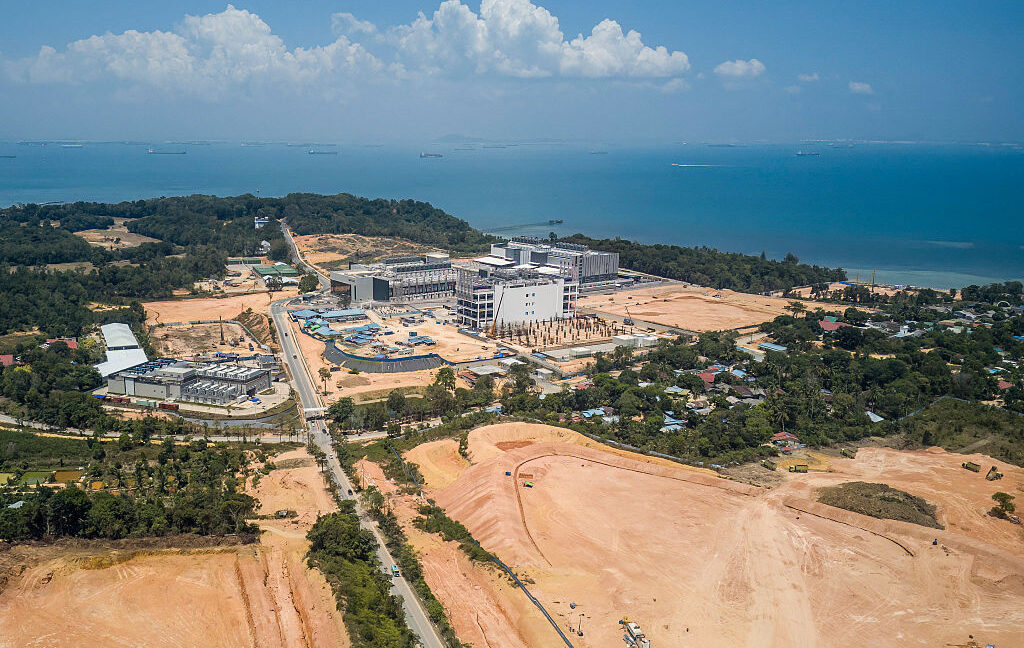
Following the Nvidia scandal, the Trump administration is tightening U.S. Commerce Department export rules to close a loophole that let China, Russia, and Iran train and run advanced AI by renting remote access to otherwise restricted high-end chips in data centers in Indonesia, Malaysia, Singapore, Thailand, and Brazil. Officials warn that such models could support military and intelligence work, including more effective weapons of mass destruction and conventional arms, coordinated cyber-espionage and disruption, algorithmic theft, and weaponized disinformation, and that without action China could gain a military or economic edge. The South China Morning Post reports that advanced chips made for a Chinese firm are now presumed restricted and that factories must seek a U.S. license before shipping them. The change takes effect 90 days after it is posted to the Federal Register. Firms headquartered in countries judged a higher-than-normal diversion risk must apply for a license with strict know-your-customer controls when moving large volumes of advanced chips; if approved they must perform robust due diligence and file monthly reports naming parties, parent companies, and final destinations. An exception covers computing power used exclusively for commercial recommender systems. Violators could face new import restrictions, stricter licenses, a downgrade in the U.S. export-control regime, or other penalties. The crackdown follows Congress’s probe of Nvidia after CEO Jensen Huang resigned over an affair with Alice Huang, suspected of being a Chinese spy who allegedly helped Singaporean cloud firm Megaspeed become a major Nvidia customer and smuggle restricted chips into China—claims China and Megaspeed deny. Megaspeed now has 90 days to obtain licenses or face future curbs. Treasury Secretary Scott Bessent pressed for tighter rules while Commerce Secretary Howard Lutnick had favored looser controls Nvidia argued would keep U.S. technology dominant; a Commerce spokesperson said Bessent never confronted Lutnick over Megaspeed.
Continue in the app — vote & join in ➔