
European Commission accused of sugarcoating figures to release funds to Egypt
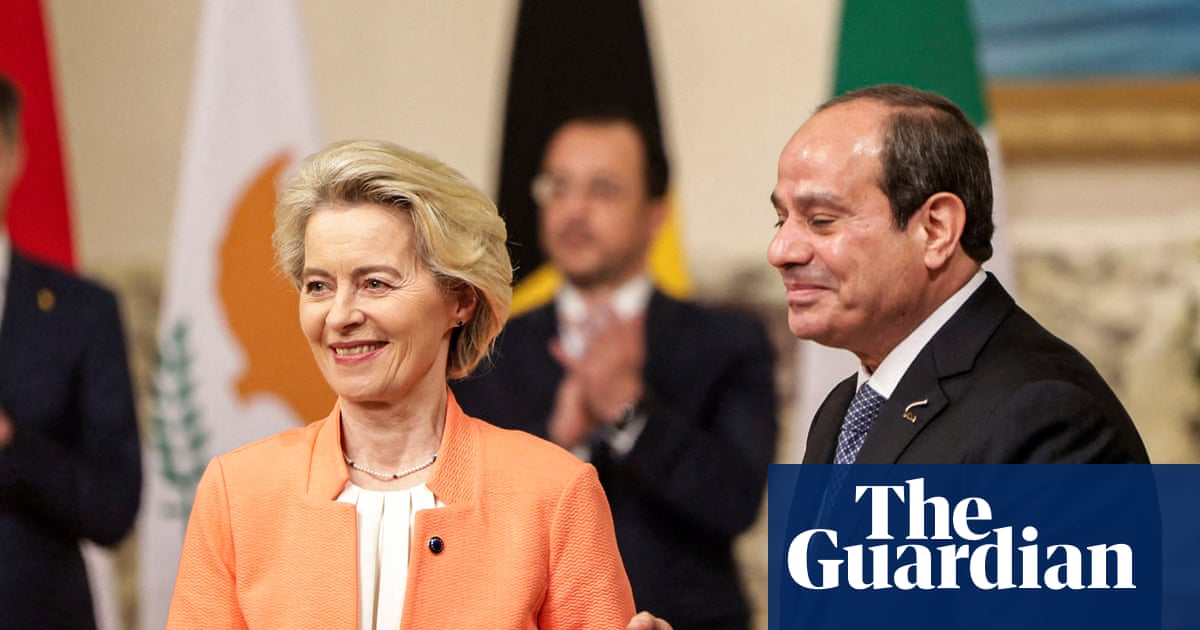
The European Commission faces scrutiny over leaked EU documents and deleted Egyptian government data showing it overstated Egypt's welfare performance to release €2.5bn in loans. The money comes from a €7.4bn three-year pact struck in Cairo in 2024 by Commission President Ursula von der Leyen and Abdel Fatah al-Sisi to shore up Egypt's economy, curb migration to Europe, and steady a region shaken by the 7 October attacks and Israel's war on Gaza.
At issue is €5bn in "soft" macro-financial loans—€3.5bn already paid, with €1.5bn due before late 2027—meant for countries respecting human rights and democracy. To unlock the first €1bn, Egypt was required to add 100,000 households to its Takaful and Karama cash-transfer programmes, reaching 4.7 million. Although the Commission privately told EU lawmakers the 2024–2026 targets were "broadly fulfilled" and "fulfilled," data shows a net drop of 85,734 households, leaving roughly 245,000 households (909,000 people) short of expected coverage.
Dutch MEP Tineke Strik plans to question the Commission, warning it treated parliamentary oversight as an "inconvenient formality" to secure migration cooperation. The findings sharpen concern over Egyptian press freedom after six Matsadaash journalists were jailed and allegedly tortured, and as editor Lina Attalah appeals an in-absentia one-year sentence for "publishing false news."
Continue in the app — vote & join in ➔