
Scientists uncover how pancreatic cancer reshapes its DNA to evade treatment
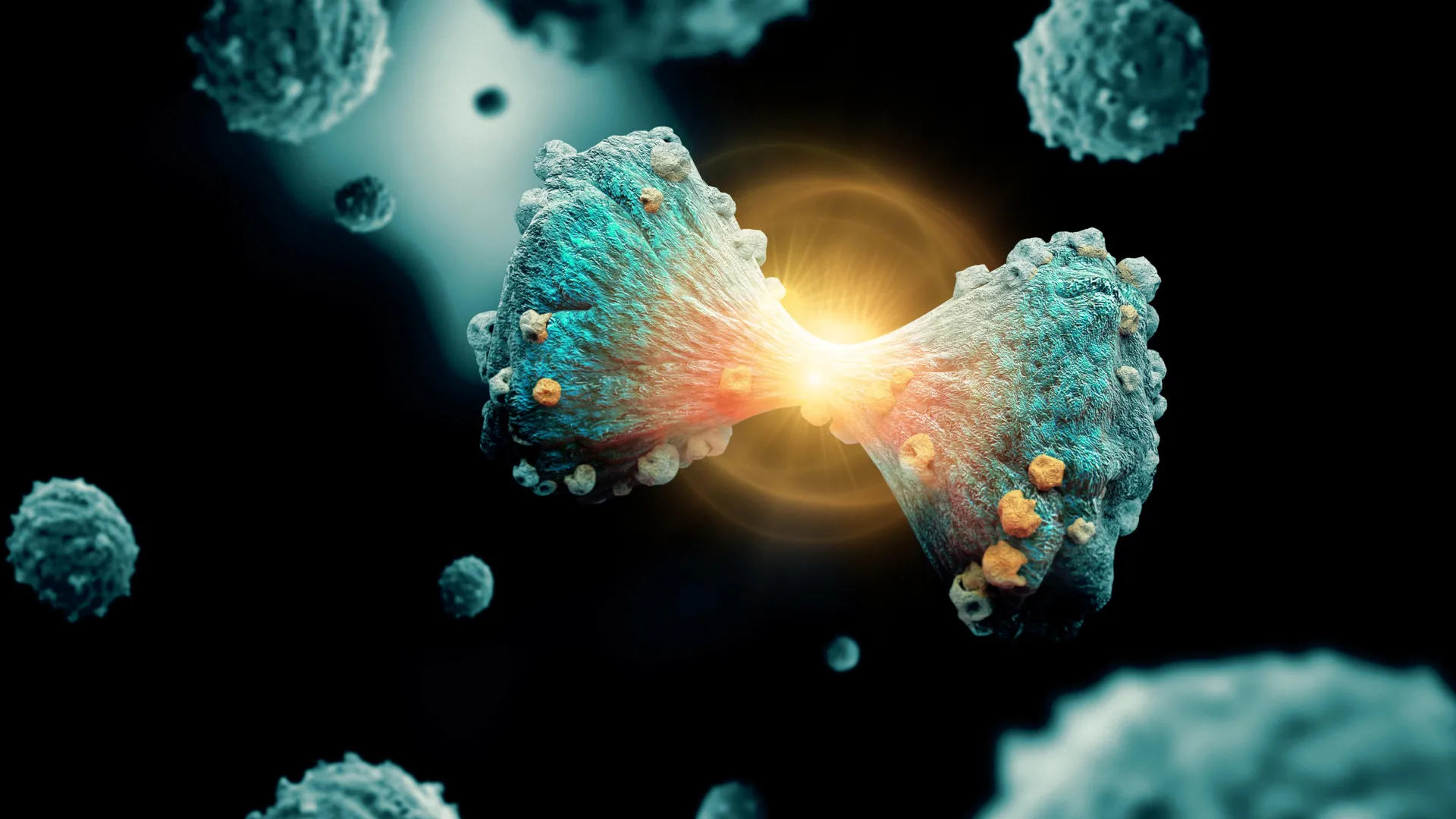
Researchers at NYU Langone Health and Perlmutter Cancer Center have produced a detailed map of how pancreatic ductal adenocarcinoma evolves within individual tumors. They analyzed gene activity in 443,451 cells from 62 tumors in 56 patients, including samples taken before and after chemotherapy from six people. Each tumor contained roughly two to 11 genetically distinct clones, with different mixtures of “classical” cells and more aggressive “basal” cells.
The analysis linked changes in DNA copy numbers to shifts between these cell states. Some clones acquired features associated with treatment resistance, while others became better able to invade tissue and spread. In laboratory experiments, suppressing MYC, which was highly active in aggressive clones, pushed basal cells toward the less aggressive classical state and made them more visible to immune cells. The result identifies MYC as a possible treatment target, although it has not yet established a new therapy for patients.
Researchers also found clones with increased TIGIT activity and reduced PD1 activity, a combination that may help tumors escape immune detection and could partly explain pancreatic cancer’s weak response to PD1-targeting immunotherapy. Trials of drugs inhibiting MYC or TIGIT are already underway in pancreatic ductal carcinoma and other cancers. Larger studies are needed to determine whether targeting this genetic flexibility can slow a disease in which nearly 85% of patients die within five years of diagnosis.
Continue in the app — vote & join in ➔