
Measles in America: A constructive approach to beating the disease based on Brazil's experience
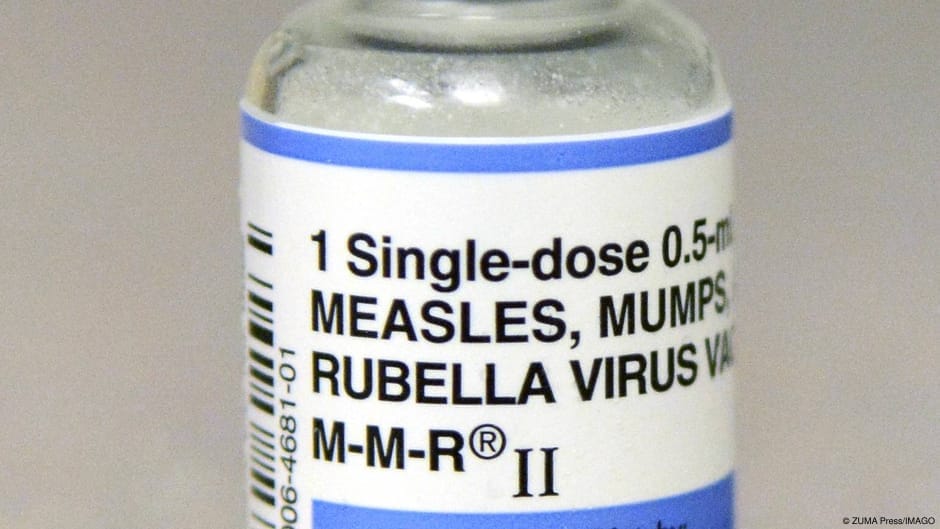
On November 17, 2026, the Pan American Health Organization (PAHO) revoked the United States' measles elimination status after 26 years—alongside Mexico and Bolivia—because the same viral strain had spread for at least 12 months. In 2026, US cases exceeded 5,400, more than double 2025's total and roughly 19 times 2024's, nearly all in people unvaccinated or of unknown status. Kindergarten vaccination fell from 95% before the COVID-19 pandemic to 92%, leaving about 280,000 kindergartners unprotected, according to the CDC. Mixed government messaging has complicated the response: President Donald Trump's August 2026 executive order placed the measles shot in the top recommended tier for children, yet Health Secretary Robert F. Kennedy Jr. has opposed vaccination and promoted vitamin A, leading to children in Texas being hospitalized with toxic supplement levels.
Experts say Brazil offers a blueprint for recovery. Having lost its measles-free status in 2019 with over 21,000 cases, Brazil regained it by 2024 and recorded just 70 imported cases in 2026, often from Peru. Despite only 76% of children receiving both doses in 2025—short of the 95% target—Brazil contains outbreaks via "Dia S" door-to-door searches, "Dia D" vaccination drives, contact immunization, and over 16 million doses administered in 2026. As PAHO Director Jarbas Barbosa warned, elimination must be defended every day.
Continue in the app — vote & join in ➔