
Argentina enters technical recession despite Milei’s economic reforms
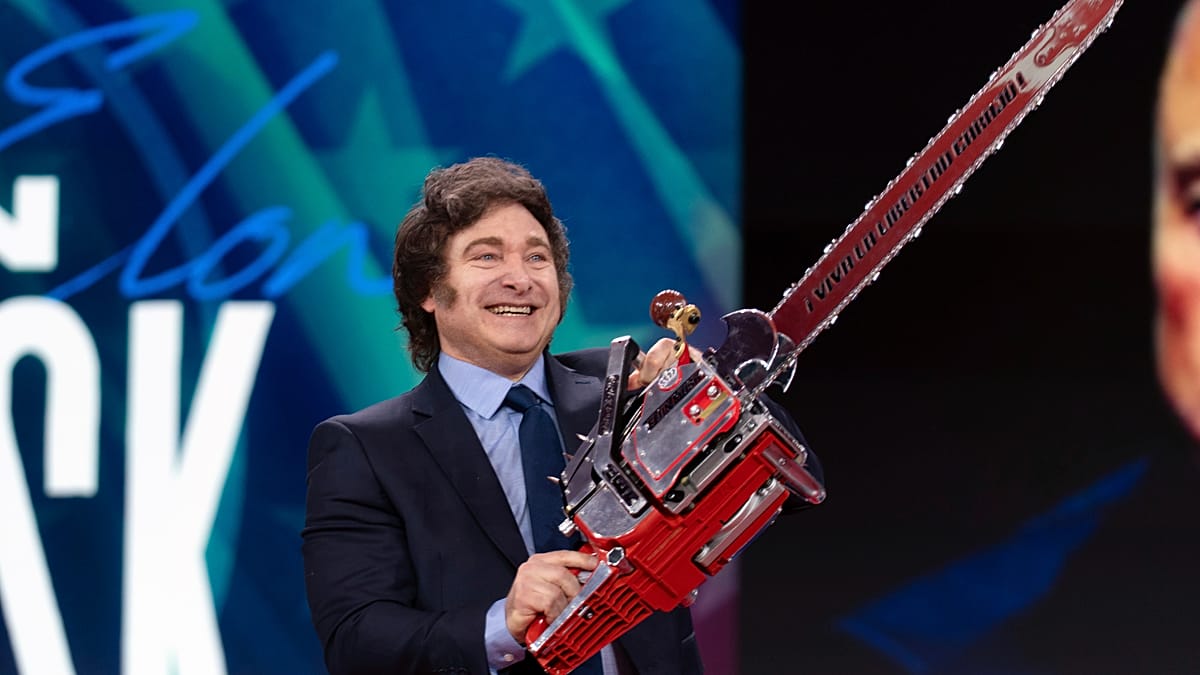
Argentina has entered a technical recession, with economic activity contracting for a second consecutive quarter despite strong growth in oil and mining. The EMAE indicator fell 1.8% between July and September, following a 1% decline in the second quarter. Activity recovered 1.1% in September from August, but remained 1.2% below its level a year earlier. Final GDP figures, due on 16 December, are expected to confirm the trend.
The downturn reflects weak domestic demand and declining purchasing power. Hydrocarbons and mining expanded 11.1% year on year in September, but this was outweighed by sharp falls in fishing, down 48.6%, agriculture, down 2%, and manufacturing, down 1.8%. Instalment spending has weakened as personal-loan rates reached about 64% annually, while roughly six million people fell into default.
Inflation has dropped substantially from 211% in 2023, but the outlook has deteriorated: forecasts now suggest average price growth of 31% in 2026, compared with 22.4% previously expected. October’s monthly inflation rose to 2.2%, and wages remain below late-2023 levels. Unemployment reached 7.9% in the second quarter, while more than 300,000 private-sector and 70,000 public-sector jobs disappeared. The recession undermines Javier Milei’s economic programme, even as his government points to a fiscal surplus in 2024 and lower inflation as major achievements.
Continue in the app — vote & join in ➔