
Friedrich Merz faces wavering German public support and EU resistance over Ukraine aid
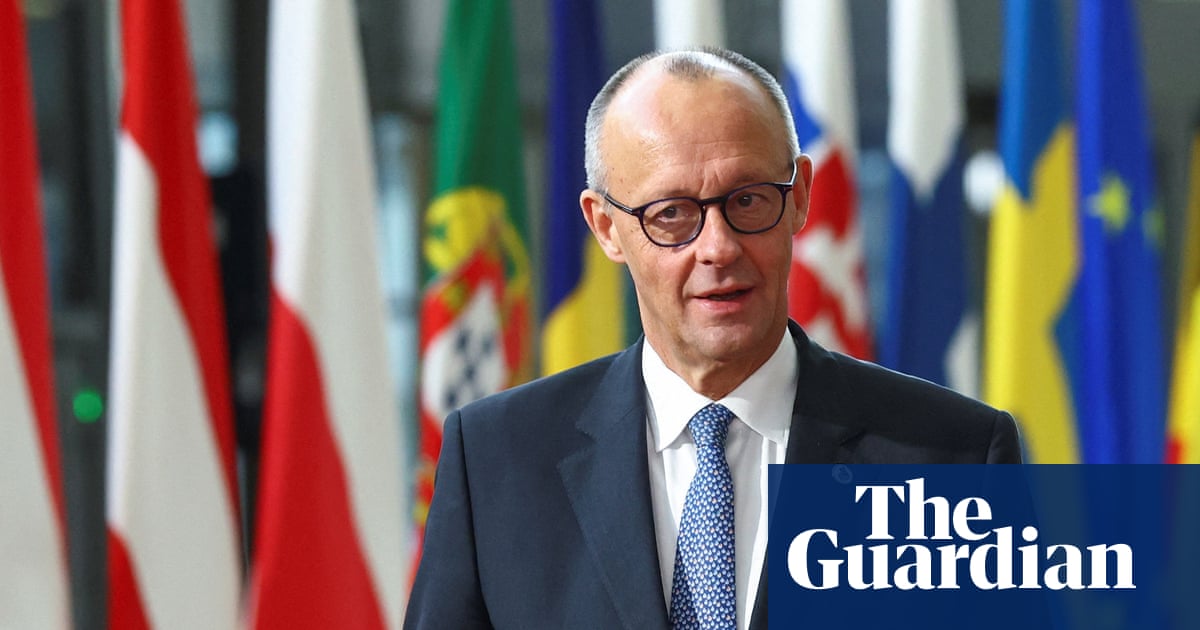
German Chancellor Friedrich Merz faces mounting resistance at home and abroad over his push to sustain backing for Ukraine. At a Brussels summit on Thursday, Merz insisted all EU states back a €45bn (£38bn) loan for Kyiv for 2027, threatening to veto the bloc’s budget otherwise. Slovakian Prime Minister Robert Fico called it "classic blackmail," while Czechia, Hungary and Bulgaria also raised objections.
At home, Merz’s disapproval rating has hit a record 88%. A Körber Foundation survey this week found 53% of Germans now oppose military aid to Ukraine, while 46% remain in favour, down from 59% a year ago—a worrying shift for Kyiv, which counts on Germany as its top backer since Washington pulled back. Amid cost-of-living strains, the aid is increasingly framed as hurting living standards, leaving Berlin reluctant to highlight its support or the estimated 1.33 million Ukrainian refugees in Germany.
Opposition is deepest in eastern states, where only 31% back Ukraine, 11% support military aid and 75% want ties with Russia normalised. During this week's 2027 Bundestag budget debate, Merz clashed with the far-right AfD, which leads his CDU/CSU alliance by five points nationally. In Saxony-Anhalt, the left-wing BSW also teamed up with the AfD to demand halting arms supplies and Russian sanctions, while former church leader Margot Käßmann urged diplomacy on Thursday.
Continue in the app — vote & join in ➔