
MIT team links YAP1 and ceramides to colon cancer metastasis
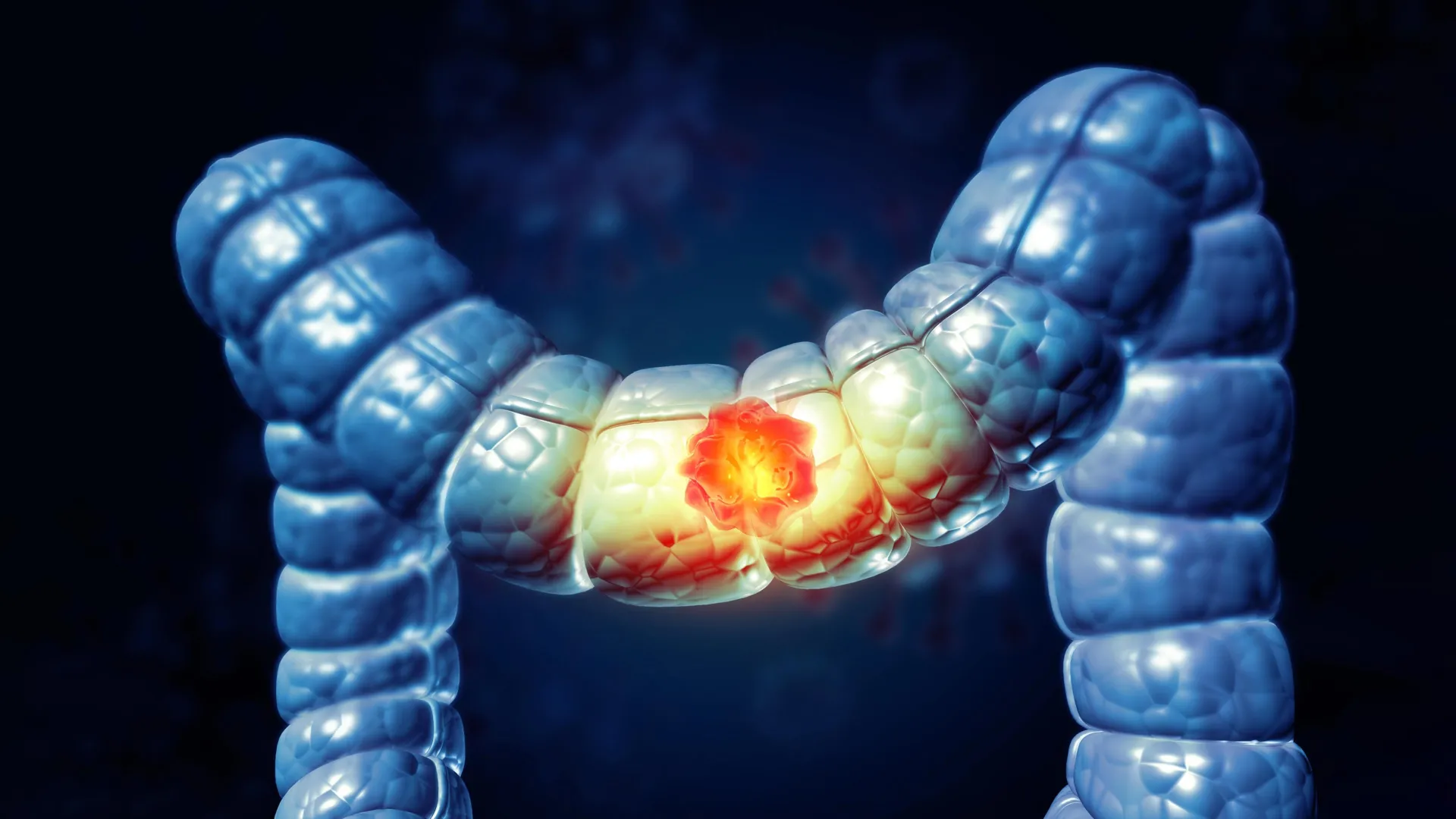
MIT biologists report that colorectal tumors can hijack YAP1, a protein that normally runs a tissue-repair program, to leave the colon and seed metastases, especially in the liver, where most colon-cancer deaths occur. The work, published in Science, was led by senior authors Omer Yilmaz of MIT’s Stem Cell Initiative, Koch Institute, and Beth Israel Deaconess Medical Center; Nilay Sethi of Harvard Medical School and Dana-Farber Cancer Institute; and Alpaslan Tasdogan of University Hospital Essen and the German Cancer Consortium. MIT postdoctoral researchers Swagata Goswami, Qiming Zhang, and Abdullah Burak Yildiz are the lead authors.
Most U.S. cases are found at stage 2 or 3, before distant spread. Surgery can remove the primary tumor, yet as many as one-third of those patients later develop metastatic disease. Researchers have catalogued mutations that start colon cancer, but Yilmaz notes there is no defining mutational signature that separates metastatic cells from the original tumor, pointing instead to which genes are switched on and off. In patient-derived tumor organoids and mouse models of several colon-cancer forms, metastatic cells shared heightened activity of the YAP1 program, which in healthy tissue supports fetal development, stem-cell maintenance, and rebuilding after injury—including a rare fetal-like cell state that briefly appears when the gut lining is badly damaged.
The team also found that a high-fat diet can amplify this pathway in mice by raising ceramides, fatty molecules that help push tumor cells into the regenerative state needed to metastasize. Yilmaz argues the route is druggable: shutting down enzymes that make ceramides keeps tumor cells from turning the program on, and they largely fail to seed liver metastases. Drugs that interfere with ceramide production are therefore framed as a possible strategy to prevent spread after a colon-cancer diagnosis.
Continue in the app — vote & join in ➔