
Addressing the rising global threat of antibiotic resistance
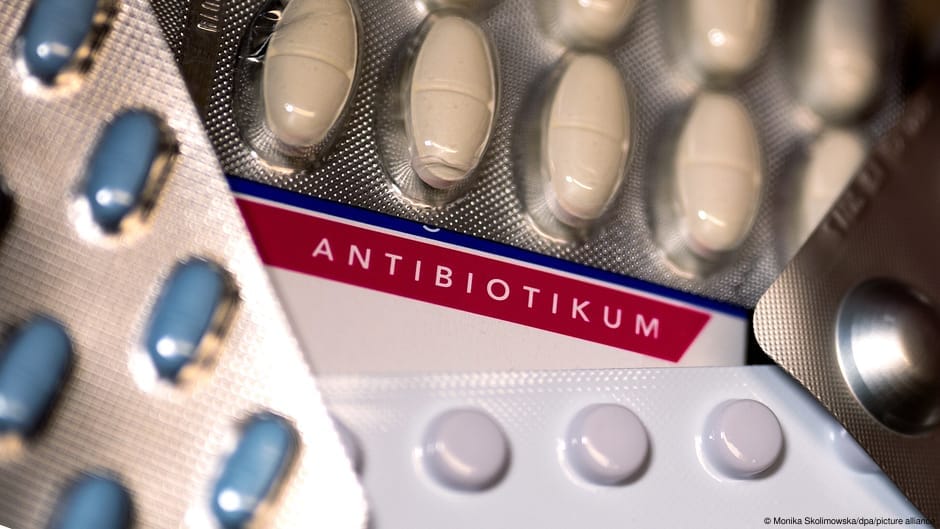
Antimicrobial resistance (AMR) is projected to directly cause an estimated 39 million deaths over the next 25 years, according to Jean Pierre Nyemazi, acting director of the WHO's AMR department. Although WHO member states pledged to reduce AMR mortality by 10% by 2030, Nyemazi warned that current trends and investments leave the world off track. Without effective antibiotics, modern medicine would no longer be possible and even minor infections could turn fatal, noted Can Imirzalioglu of Justus Liebig University Giessen.
Experts advocate the "One Health" approach, adopted in 2004 to monitor human, animal, and environmental health together. Unnecessary prescriptions—such as giving antibiotics for viral infections—harm the gut microbiome, allowing resistant bacteria to multiply without symptoms. Research by Katharina Schaufler at the Helmholtz Institute for One Health traced these pathogens moving from hospital drains through wastewater into the Baltic Sea, where wild birds ingest them.
Faster diagnostics could curb misuse in clinics, but animal agriculture remains a major driver. Despite a 2006 EU ban on antibiotics as growth promoters, crowded factory farms still require frequent treatments, leaving resistant bacteria on meat and in fertilizers that contaminate lettuce, while many countries still add antibiotics to feed.
Continue in the app — vote & join in ➔