
5,000-year-old skulls reveal a disturbing secret of ancient Egypt's first kings
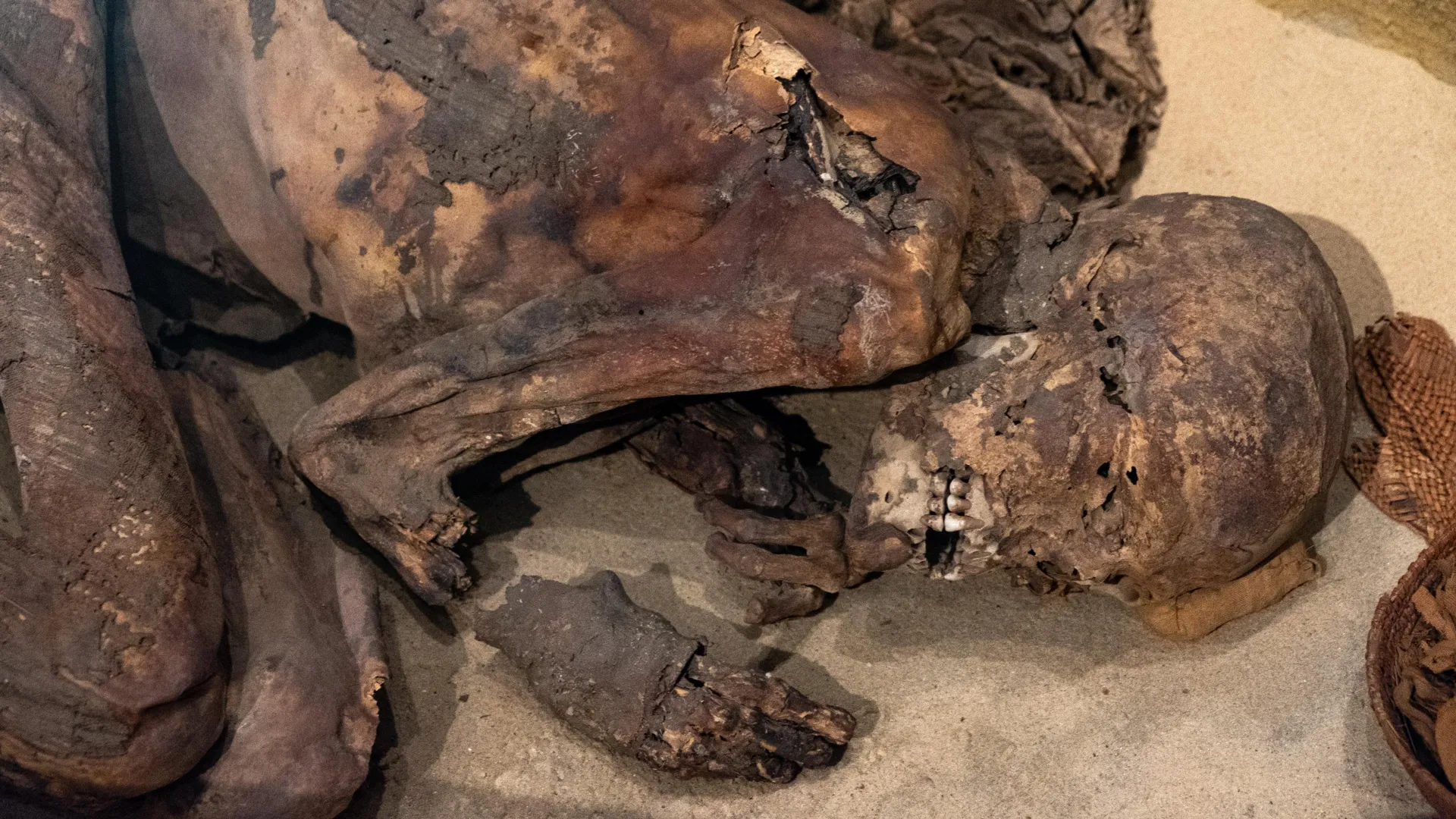
A forensic reexamination of 46 skulls from First Dynasty royal tombs at Abydos, Egypt, has yielded physical evidence supporting a century-old theory of human sacrifice. Led by Dr. Roselyn Campbell of Purdue University and published in Frontiers in Environmental Archaeology, the study revealed potentially fatal cranial trauma—chiefly linear fractures—in 18 specimens, indicating that roughly 39 percent of the individuals were deliberately killed.
Dating to around 3000 BCE, the burial sites featured hundreds of subsidiary graves flanking the royal tombs. When archaeologist Flinders Petrie excavated Abydos in the 1920s, he suspected that attendants were sacrificed to serve rulers in the afterlife or project royal power. Lacking clear proof of trauma, Petrie dismissed the skull fractures as post-mortem damage. While most skeletons were reburied, Petrie preserved a group of skulls now housed in Cambridge University's Duckworth Collection.
Campbell's modern assessment confirms violent deaths among these retainers, whom grave markers identify as artisans and lower- or mid-level officials buried with pottery, copper tools, and ivory figurines. The discovery provides compelling proof that retainer sacrifice was an established practice during the reign of ancient Egypt's first kings.
Continue in the app — vote & join in ➔