
Monash University researchers propose moving Australopithecus and Paranthropus into the genus Homo
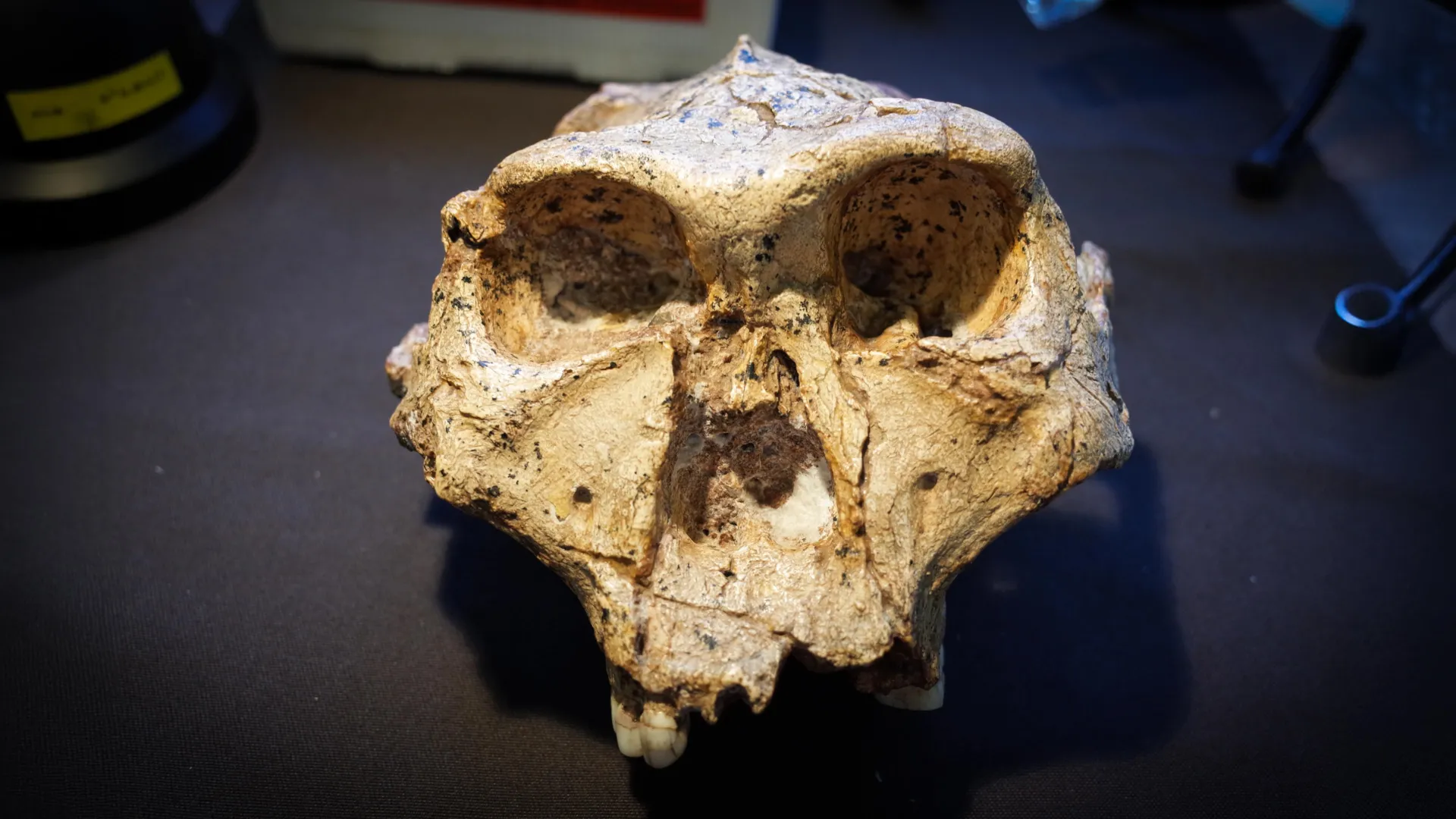
A study published in the American Journal of Biological Anthropology by Monash University researchers proposes overhauling how scientists classify millions of years of human evolution. Led by Dr. Ian Towle, a Research Fellow at the Monash Biomedicine Discovery Institute, the paper argues that all human species and closely related fossil relatives from the past 4 to 5 million years belong in the genus Homo, placing Australopithecus and Paranthropus alongside Homo sapiens.
Human evolution is often portrayed as an orderly sequence from ape-like ancestors through Australopithecus and early Homo to modern humans. Yet the growing fossil record and genetic analyses point to a branching, overlapping tree in which traits once used to separate groups appear across multiple lineages.
Towle notes that over the past 50 years, taxonomy has shifted toward grouping species into clades—each consisting of a common ancestor and all its descendants—rather than relying mainly on physical appearance. Because Australopithecus and Paranthropus do not necessarily form distinct evolutionary branches, and traditional markers such as large brains, sophisticated tool use, and ecological differences no longer cleanly separate them, expanding Homo would provide a more consistent framework.
Continue in the app — vote & join in ➔