
Drained peatlands account for several percent of global warming
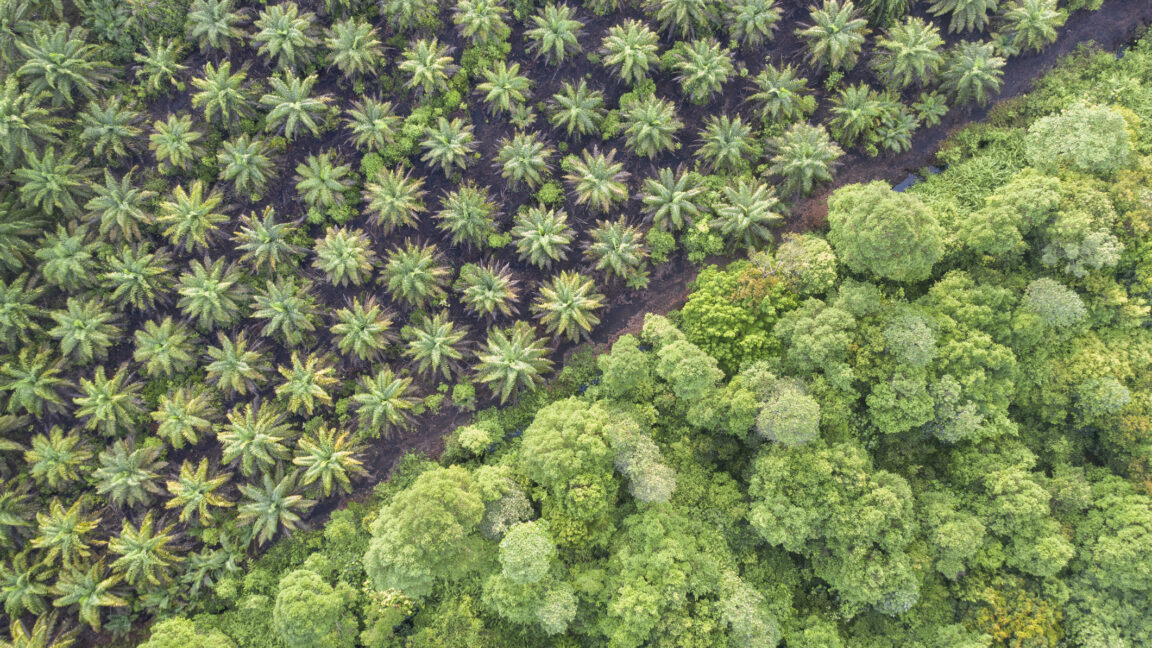
Peatlands such as bogs and fens cover vast areas and contain about 600 billion tons of carbon—more than all the world’s living vegetation. Their waterlogged conditions limit oxygen, slowing decomposition and keeping much of that carbon out of the atmosphere. Anaerobic microbes do release some methane, however, which is more powerful than carbon dioxide as a greenhouse gas and is eventually oxidized into CO₂.
Drainage for agriculture and other land uses lowers peatland water levels, exposes the stored organic matter to oxygen, and sharply accelerates aerobic decomposition. An MIT-led study by Jevan Yu used measurements from surviving peatlands to model how carbon dioxide and methane emissions changed as water levels fell, then reconstructed the effects of drainage worldwide from 1800 onward.
By 2020, peatland drainage had increased Earth’s energy imbalance by about 73 milliwatts per square meter: 83 mW from added CO₂, partly offset by 9 mW from reduced methane emissions. That represents 2.7 percent of the total human-caused change in the planet’s energy budget, with an estimated range of 1.8–3.6 percent. About 4 percent of the carbon once buried in peatlands is now in the atmosphere.
Europe produced more than half of the estimated CO₂, Southeast Asia nearly a quarter, and North America 14 percent. The study also found that emissions will continue because drainage-triggered decay takes time. If water levels remain at 2020 levels, the climate effect could nearly double to 138 mW per square meter by 2100. Moderate restoration would slow that increase, while ambitious rewetting could reduce the effect slightly below its 2020 level.
Continue in the app — vote & join in ➔