
US FCC approves SpaceX plan for one million satellites to host AI data centers in space
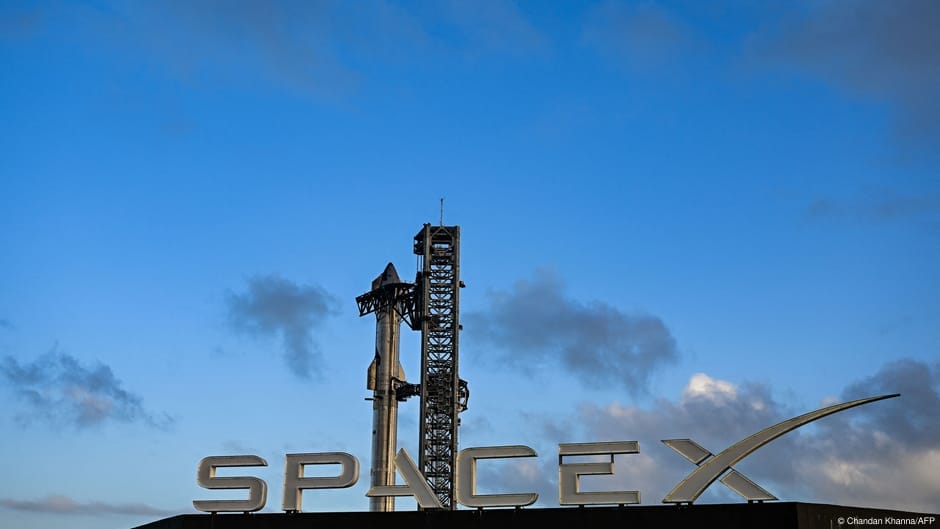
The US Federal Communications Commission has approved SpaceX’s “Starmind” plan for a network of one million satellites meant to host AI data centers in orbit. The license comes with a strict build-out: 100,000 satellites, or 10% of the authorized fleet, must be in orbit by 2035; half by 2038; and the full million within 15 years, with completion of the constellation tied to a November 25, 2040 deadline. SpaceX argues that space offers abundant solar power and cooling, easing pressure on Earth as AI computing demand grows.
That demand is already straining terrestrial grids and water supplies. The International Energy Agency says electricity use by AI data centers could more than double to 945 terawatt-hours a year by 2030. A recent study put global water used to cool servers at 313 billion to 764 billion liters (82.7 billion to 201.8 billion gallons), with about a quarter of data centers in regions that regularly face water shortages.
Experts remain skeptical. Ulrich Speidel of the University of Auckland notes that satellites can sit in sunlight for more than half the day and that there are no clouds in space, but that heat in a vacuum can only be radiated away, not dumped into air or water. Physicist Richard Easther, also at Auckland, says cooling is hard but not physically impossible; he still calls Starmind “at the very edge of technical feasibility” and doubts the FCC timetable, even while recalling that Starlink once sounded equally far-fetched. Laura Revell, a professor of atmospheric chemistry at the University of Canterbury, calculates that meeting the 2040 date would require launching about eight satellites an hour from now on. She warns that rocket emissions and the burn-up of satellites typically retired after five years could harm the ozone layer and that the climate effects of vaporized metals are unknown. Astronomer Michael Brown of Monash University in Melbourne adds that Starmind would multiply the number of active satellites more than fiftyfold, worsening orbital debris. Unresolved questions include who controls orbital resources.
Continue in the app — vote & join in ➔