
Firaxis Games lays off about a third of staff as XCOM project struggles
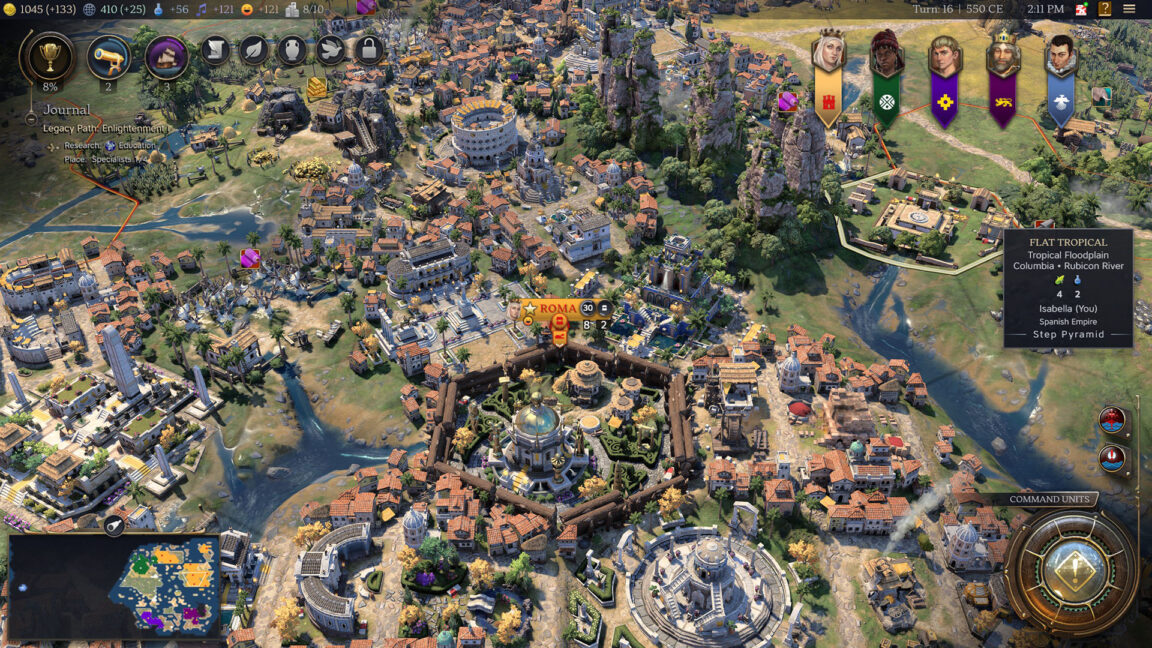
Firaxis Games, the studio known for Civilization and XCOM, laid off about a third of its staff last week—around 60 people—according to Bloomberg sources familiar with the cuts. Studio head Heather Hazen is among those departing. Those sources said the new XCOM title the studio is developing missed a significant milestone amid development trouble.
A Firaxis spokesperson said the studio is restructuring and recentering on its core strength: designing strategy games that have defined the genre for 30 years. The workforce is being reduced to focus on design, technology, and player experience, which means parting with colleagues who helped build the company—decisions the studio called never easy but essential for its next chapter.
The cuts come after a difficult stretch. Civilization VII launched to solid enough sales but a divided reception; players have long faulted new Civilization releases as thin next to predecessors packed with post-launch updates and expansions, and the backlash was sharper this time. More players have come around in recent months, yet some of the audience is unlikely to fully accept the ages system, which eased long-standing pacing issues while changing the core experience. Before that, Marvel’s Midnight Suns drew a more positive response in sentiment but appears not to have sold as many copies as hoped. With the new XCOM project struggling, that makes three troubled games in a row.
Most of Firaxis’s direct strategy rivals are leaner and not tied to a major publisher. Civilization is published by 2K Games, which also publishes the soon-to-launch Grand Theft Auto VI. The wider games industry has seen widespread layoffs and studio closures in recent years, driven by post-COVID over-investment, competition, shifts in publisher leadership culture, and broader economic pressures.
Continue in the app — vote & join in ➔