
European ministers to decide in Rome on €10bn first human spaceflight programme
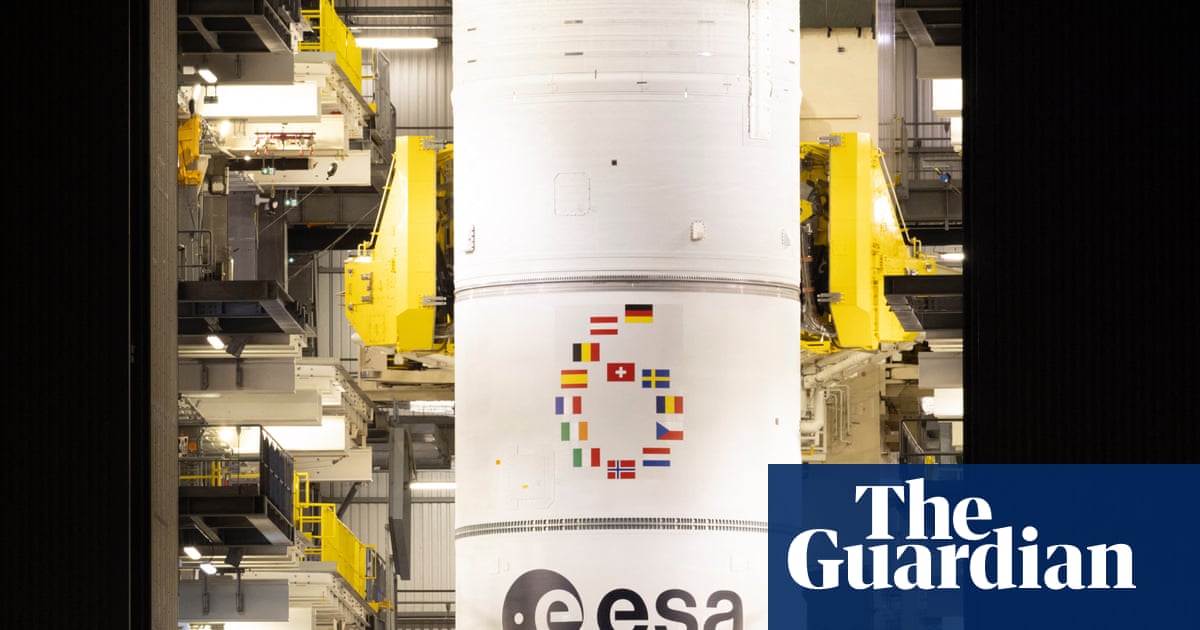
European Space Agency ministers will meet in Rome on 15 December to decide whether to launch the continent’s first human spaceflight programme, a project expected to cost €10bn (£8.4bn) and to reduce Europe’s dependence on the United States to send astronauts into orbit. Approval would mean building a European shuttle plus launch and landing pads, most likely in French Guiana at the Guiana Space Centre, where Arianespace has lofted satellites for about 45 years. ESA director general Josef Aschbacher called a yes vote a historic moment and said the aim is not to abandon NASA—relations remain “good and strong”—but to supplement it so Europe can stand as a space power beside Russia, China and the US, with industrial work staying on the continent rather than flowing to American firms.
He tied the push to geopolitics: commercialisation of space by figures such as Elon Musk, Russia’s military space plans including reports this week of a possible nuclear weapon in orbit, and recent limits on Ukraine’s use of Musk’s Starlink network. SpaceX has also won regulatory approval to launch a million satellites for in-orbit data processing. Aschbacher warned that a change in the White House could downgrade NASA or even bar foreigners from US public and private flights; he has already held talks with Japan and the United Arab Emirates. Europe currently has 11 astronauts in space, with four more due on the International Space Station next year via NASA. Until 2022 ESA used NASA and Russian pads; its last crewed attempt, the Hermes space plane of 1992, was dropped in development after costs rose following the Challenger disaster. In October, Russia’s Kosmos 2612 passed within a mile of a commercial Earth-observation satellite that may serve national security for countries including Ukraine—an encounter Aschbacher called concerning because capability is being demonstrated, not merely claimed.
Continue in the app — vote & join in ➔