
Women pardoned after criminal investigations for illegal abortions in England and Wales
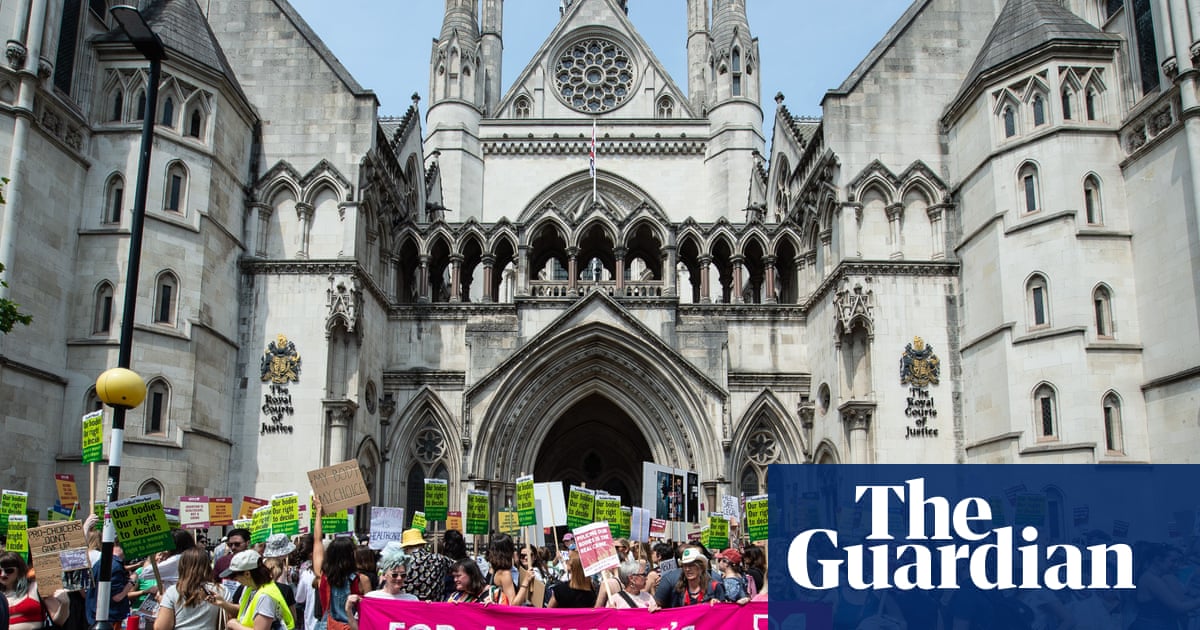
Campaigners and women previously convicted of illegal abortions have called Monday a historic day after every woman who faced a criminal investigation for ending a pregnancy in England and Wales over the last 150 years was pardoned. Section 242 of the Crime and Policing Act 2026, stemming from a House of Lords vote earlier this year, took effect Monday and will expunge criminal records. The House of Commons had already voted to change the law so women would not be criminalised in future for ending their own pregnancies, while leaving the wider legal framework for terminations in place. About 150 women identified from police records are covered; details of convictions, cautions, arrests and investigations will be deleted so they can work and travel without those restrictions. Several were prosecuted after ordering medication online or obtaining drugs after remote consultation, including during the Covid-19 pandemic. Nicola Packer, who obtained pills from an authorised provider at the height of the pandemic and had not realised her pregnancy was more advanced, was cleared by a jury at Isleworth Crown Court in London last year after an almost five-year ordeal. Laura, a young mother and victim of coercive control, was jailed after an abusive partner coerced her into obtaining pills online. Packer said the pardon cannot erase the memories but removes records that made it hard to keep jobs; Amy said she was grateful but that it does not undo stigma, questioned parenting, restricted contact with children or lost privacy, and that women deserve a formal government apology. Until the recent change, prosecutions often used Victorian legislation from 1861. Fanny Warboys was criminalised in 1862 after a backstreet abortion left her injured and was sentenced to three months; Mary Jane Baynon, 32, was jailed for three months in 1891 after travelling from Sligo in western Ireland to London and being reported by a fake surgeon; Emma Sarah Rice, 25, was found guilty but sentenced to one day without hard labour.
Continue in the app — vote & join in ➔