
Amid Russian strikes, Ukraine restricts reporting on their impact
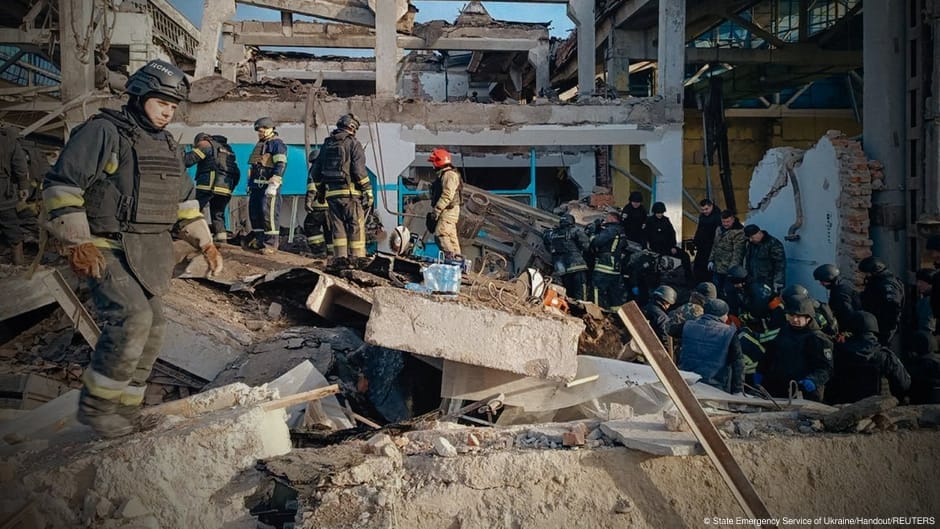
Ukrainian President Volodymyr Zelenskyy has signed a decree banning media outlets from publishing details of how Russian strikes affect critical infrastructure. The government must take “urgent measures” to stop reporting on the consequences of destruction and on how long it will take to restore those facilities. He also ordered the Ministry of Defense and the General Staff to strengthen protection of energy infrastructure, steps the decree said were proposed at a Security Council meeting last month. Enforcement was not spelled out; Dmytro Lytvyn, an adviser to Zelenskyy, said it would be complicated because much of the material appears on anonymous Telegram channels.
The move comes as Russia, ahead of winter, has mounted missile and drone attacks on Ukraine’s energy network and other critical sites, including major bridges in Kyiv, disrupting heating, power and water. On Saturday, Kyiv Mayor Vitali Klitschko said a woman was killed and four people were injured in the capital in fresh massive attacks that also hit critical infrastructure, without giving further details. Ukraine had already urged outlets not to publish locations or damage from strikes, arguing that such information helps Moscow plan the next attacks.
Since its full-scale invasion in 2022, Russia has criminalized much reporting and public commentary on the war. Last week, Russian lawmakers proposed bills that would ban independent and unauthorized reporting on the aftermath of Ukrainian strikes, according to the Institute for the Study of War, with fines or jail for violations. On Saturday, Russia reported large Ukrainian drone attacks in several regions, including Moscow and Samara; in Bryansk, authorities said nine people were injured when a bus came under attack.
Continue in the app — vote & join in ➔