
US Senate Permitting Bill Threatens Clean Water Protections
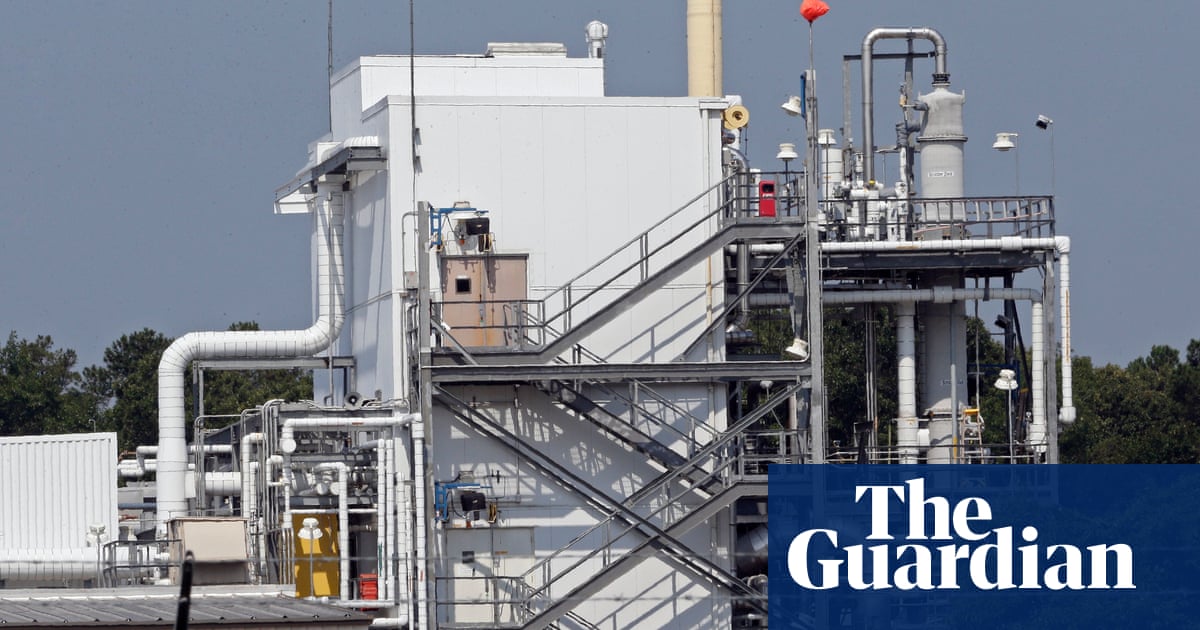
The Bipartisan American Affordability and Jobs Act of 2026 (Baaja), a permitting-reform bill backed by major industry groups, passed the US Senate by 62 votes to 33 and is now being debated in the House. It is intended to shorten federal approval timelines for large energy and infrastructure projects, including power lines, fossil-fuel pipelines, natural-gas plants and data centres. Supporters argue that faster construction is important for energy development and the transition to cleaner power.
Environmental groups warn that the bill would weaken protections that are only indirectly connected to project permitting. It would make it harder for states to establish limits on water pollution, reduce transparency over pollution criteria and extend the interval for mandatory reviews of water-pollution permits from five years to 10. More than 50 community groups affected by PFAS “forever chemical” contamination oppose the legislation, saying it could leave people exposed to pollution for longer.
The bill would also require the Environmental Protection Agency to use formal rule-making when issuing guidance that states rely on to limit discharges. That process could delay new criteria by several years and make them vulnerable to industry lawsuits, shifting more responsibility to states that often lack resources. Emily Donovan of Clean Cape Fear, in North Carolina, points to the changing science around GenX: the state set a health advisory limit of 140 parts per trillion in 2019, while the EPA set one of 10 parts per trillion in 2022. Advocates fear a 10-year review cycle could allow outdated permits to remain in force despite such developments.
Continue in the app — vote & join in ➔