
ICJ Rules Myanmar Committed Genocide Against the Rohingya
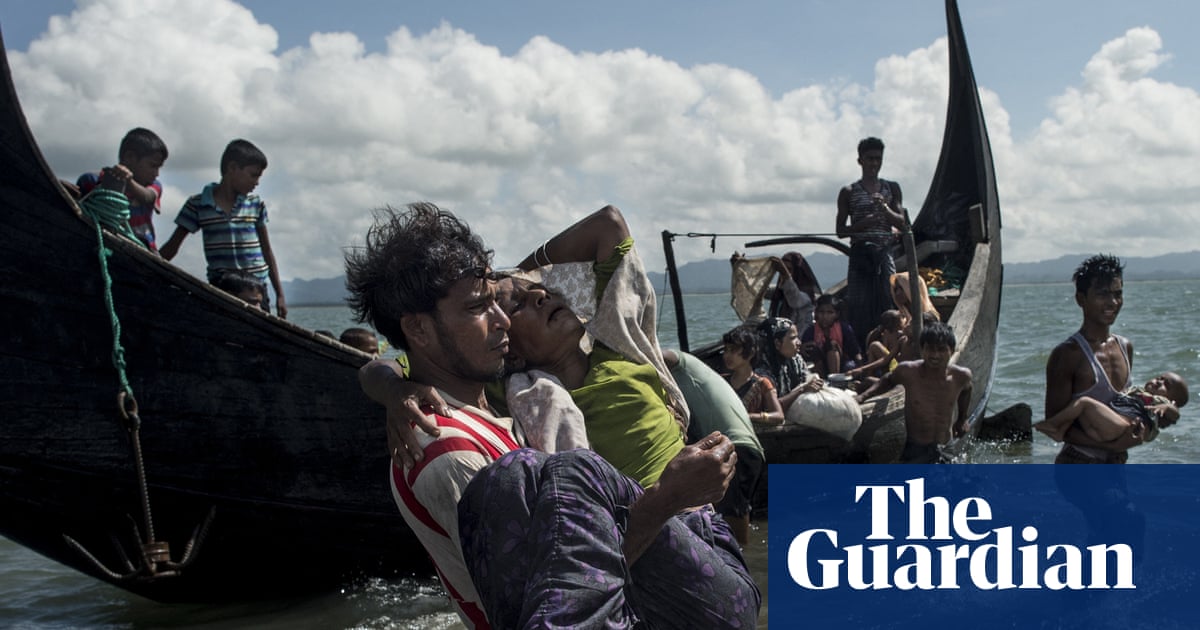
The International Court of Justice ruled that Myanmar committed genocide against its Rohingya minority during the military’s 2016–17 “clearance operations”. The judgment concluded that the campaign involved acts carried out with the intent to destroy a substantial part of the Rohingya population, making it the first time the ICJ has found a state responsible for genocide. The decision ends a seven-year legal case brought by Gambia on behalf of Rohingya survivors.
More than 700,000 mostly Muslim Rohingya fled to Bangladesh during the campaign, amid accounts of mass killings, gang-rapes, burned villages and attacks on civilians trying to escape. More than 1 million Rohingya remain in refugee camps in Bangladesh, while fewer than 600,000 are estimated to live in Myanmar. Investigators cited evidence from places including Tula Toli, where survivors described systematic shootings, mass graves and children being drowned.
The ruling is legally binding but the ICJ has no direct enforcement power, meaning its impact will depend on diplomatic pressure and possible sanctions. It is also being closely watched because the court’s reasoning may influence the genocide case concerning Israel, brought by South Africa over Gaza. Myanmar denied genocidal intent, saying its military operations targeted a Rohingya militant group. Min Aung Hlaing, who led the military during the attacks, faces a separate arrest warrant from the International Criminal Court over alleged crimes against humanity.
Continue in the app — vote & join in ➔