
Two common PFAS chemicals linked to higher rates of aggressive breast cancer
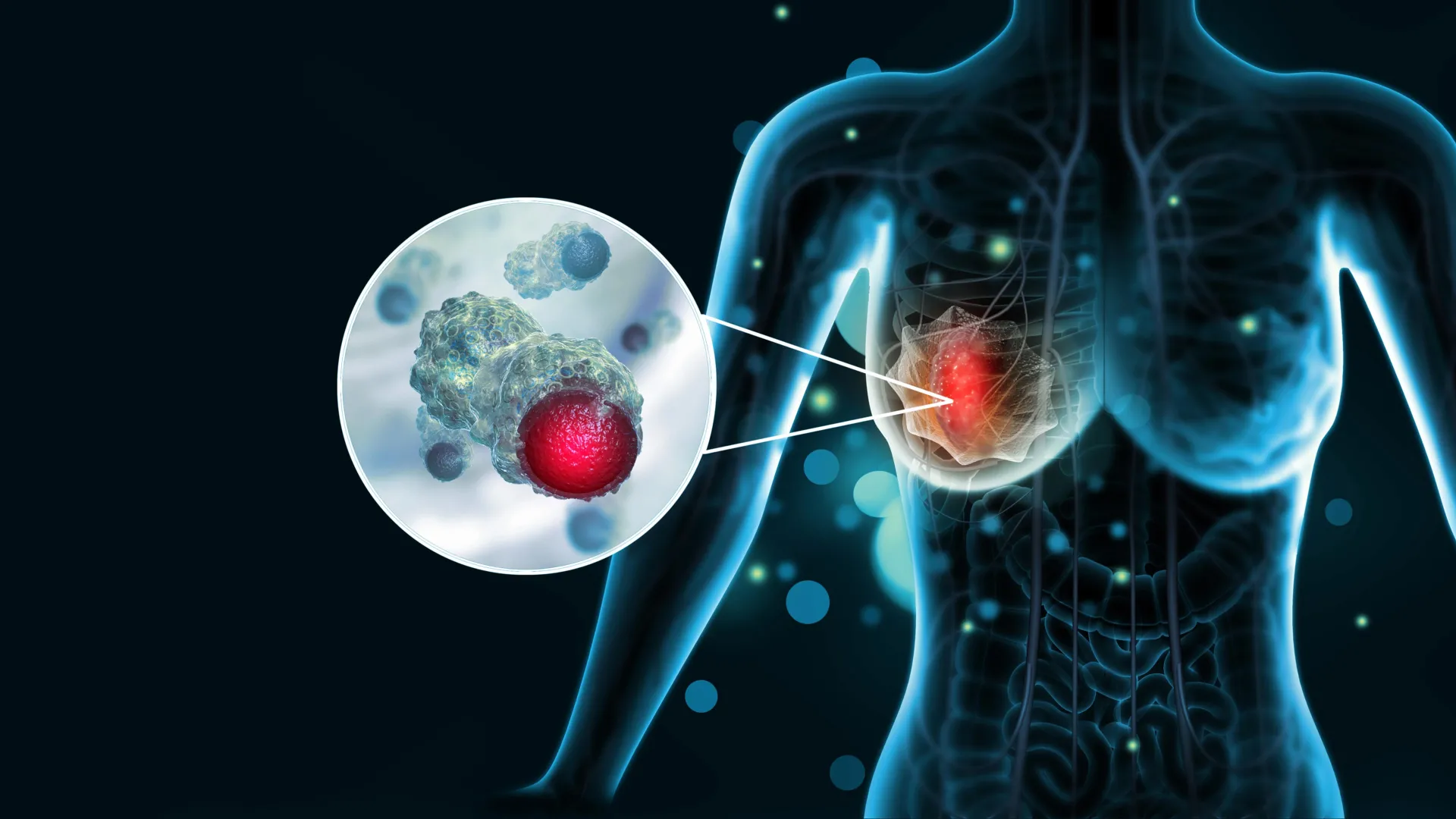
A National Institutes of Health study has linked higher blood levels of two persistent PFAS chemicals—PFOA and PFOS—to a substantially greater risk of estrogen receptor-negative (ER-negative) breast cancer. Women in the highest PFOA exposure group had a 67% higher rate of ER-negative breast cancer than those in the lowest group, while the difference for PFOS was 93%. The researchers found no clear association between either chemical and breast cancer overall.
ER-negative tumors lack receptors that allow estrogen to stimulate their growth. They are generally more aggressive and have poorer outcomes than estrogen-responsive tumors, yet relatively little is known about the factors that increase their risk. PFOA and PFOS are widely used “forever chemicals” that resist environmental breakdown, can accumulate in the body and may remain there for years.
Researchers measured 17 PFAS in blood samples collected before diagnosis, using data from the NIH Sister Study. That project enrolled 50,884 women aged 35–74 in the United States and Puerto Rico between 2003 and 2009. The analysis included 1,609 women who later developed breast cancer and 2,269 comparison participants. The findings, led by NIH investigator Alexandra White and confirmed through a meta-analysis of earlier research, show an association rather than proof that the chemicals directly cause cancer. The results were published in the Journal of Clinical Oncology and point to the need for further research into whether reducing PFAS exposure could lower the risk of this aggressive disease.
Continue in the app — vote & join in ➔