
COP31: What is at stake at the UN climate summit and what can it achieve
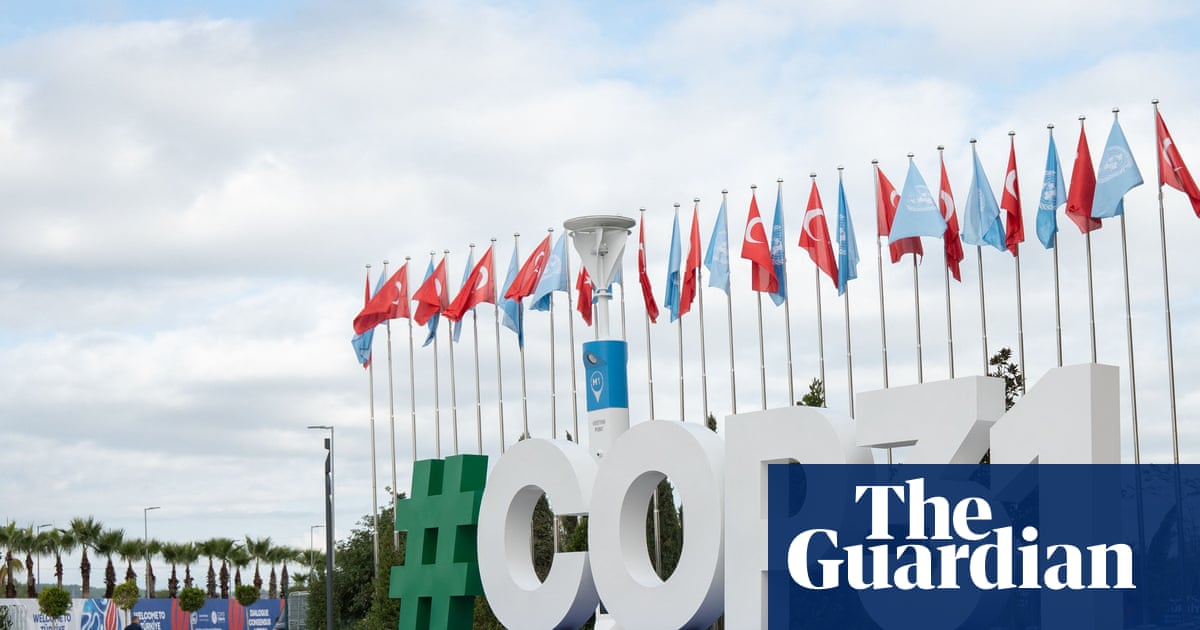
World leaders and delegates from more than 190 countries are gathering in Antalya, Turkey, from November 9 to 20 for the COP31 UN climate summit. Under an unusual compromise struck after both countries competed for the presidency, Turkey will host the conference while Australia presides over formal negotiations. The United States will be conspicuously absent following Donald Trump's withdrawal from the Paris climate agreement, though some US lawmakers, business figures, and civil society groups plan to attend.
Responsibilities are divided between the hosts. Australia will manage formal talks on climate finance, the just transition, and strategies to limit global temperature rise to 1.5C above pre-industrial levels—a threshold that has already been breached. Meanwhile, Turkey oversees voluntary action programmes centered on electrification, methane reduction, food security, and circular economy measures.
Discussions will also examine roadmaps from Brazil on halting deforestation and transitioning away from fossil fuels, an issue first formally acknowledged at COP28 without a fixed timeline. Poorer nations are seeking expanded aid for climate adaptation and recovery, highlighted by Nepal's recent access to the loss and damage fund, as developing economies grapple with escalating climate shocks alongside debt and declining foreign aid from wealthy nations.
Continue in the app — vote & join in ➔