
UK-EU food SPS deal welcomed by British firms though checks end only in 2028
British food producers have broadly welcomed a UK–EU sanitary and phytosanitary (SPS) agreement meant to remove most physical Brexit checks on food, plants and animal products. It is due to take effect on 1 March 2028. Exporters expect easier access to the EU for British goods including fresh sausages, burgers, seed potatoes and molluscs, while UK delicatessens and small retailers should again be able to import European cheese and wine that costly post-Brexit inspections had made uneconomic. Several years after the UK left the bloc, some firms say they will stay cautious until the rules actually apply.
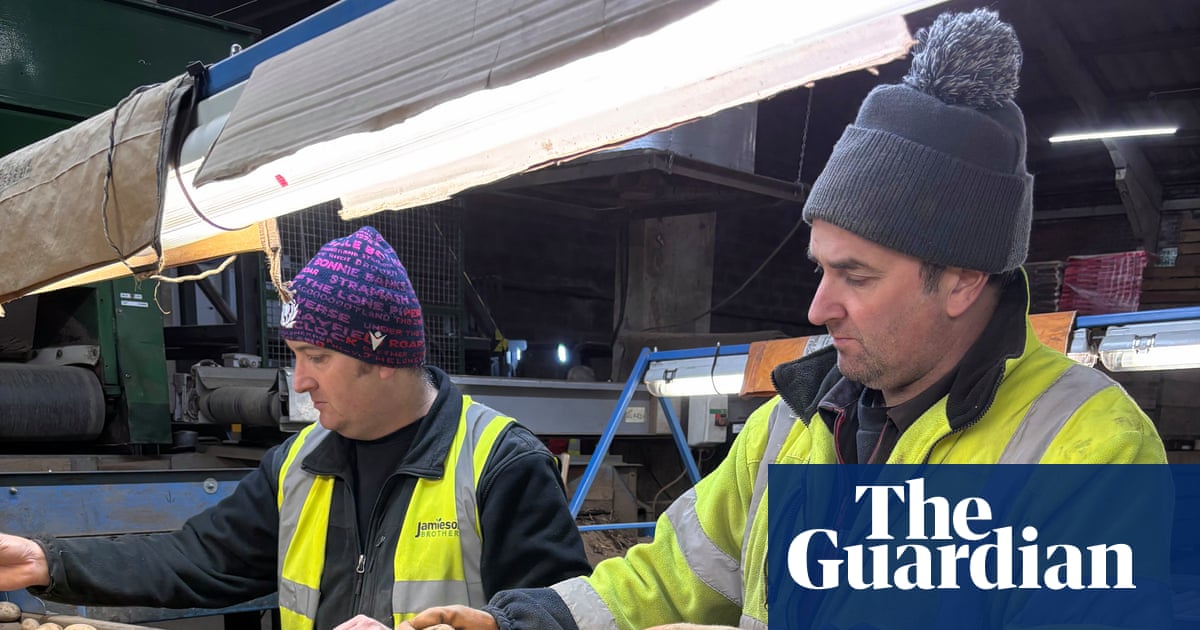
Iain Barbour, operations director of Scottish seed potato producer Jamieson Brothers, said nobody would believe the change until it happened physically. Seed potatoes were left out of the earlier post-Brexit trade deal after a certification dispute, stopping UK-to-EU exports despite Scotland’s high plant-health status. Scottish growers, who once accounted for about three-quarters of UK production in a sector worth some £112m a year, were among the world’s major suppliers for chips and crisps; northern England was also hit. Ireland and the EU had been a fifth of Jamieson Brothers’ trade; losing Irish customers was especially damaging. The firm shifted packing work that used to be done in the EU, at an estimated cost of about £500,000. Barbour hopes to supply Ireland again, but says it will take at least three years to revive varieties stored in a seed bank after farmers stopped growing types popular in Ireland but not in England. March 2028 would also be a couple of months late for the trade, because most sales fall early in the year and crops must be planted in advance; he expects many growers to wait until 2029.
Live bivalve molluscs—mussels, oysters, clams, cockles and scallops—were worth under £12m a year before Brexit but matter to coastal communities. Offshore Shellfish, which grows rope mussels in Lyme Bay, Devon, still ships most of its blue mussels via the Netherlands to Belgium for moules-frites. Commercial director Sarah Holmyard said a key gain would be being able to export even when waters are not always the highest quality rating: the farms are usually “class A,” but a drop to “class B” could previously halt shipments.
Continue in the app — vote & join in ➔