
Jared Kushner’s interview highlights risks of treating geopolitics like business
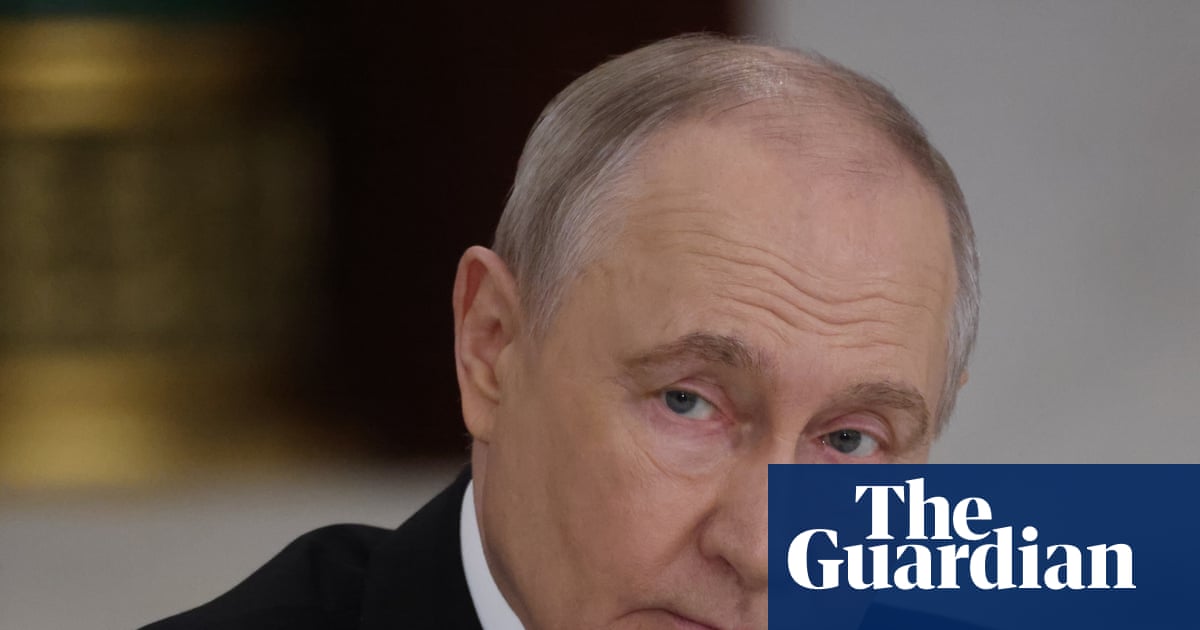
In a 70-minute interview with Axel Springer CEO Mathias Döpfner, US negotiator Jared Kushner—Donald Trump’s son-in-law, who took on the Ukraine brief a year ago alongside Gaza and Iran—framed Russia’s invasion not as aggression against a victim, but as a series of misunderstandings. Claiming economics is essential to geopolitics, he treated Vladimir Putin as a dealmaker open to the right incentives.
Kushner echoed Moscow’s narrative that postwar missteps by Europe and the US, culminating in Nato’s eastward expansion after 9/11, drove the conflict. Calling Putin a “grand master of politics” and a “historic figure” who has shown restraint on nuclear weapons, he brushed aside questions of fairness—noting European borders have historically changed through war or concessions—and said he understood Putin’s reluctance to stop fighting without confidence in a postwar settlement.
When Döpfner cited examples of Trump pressuring Volodymyr Zelenskyy, including suggesting last month that Ukraine get a new leader, Kushner denied it and called Trump a “strong counter-puncher,” while warning Kyiv relies on US backing for its future safety. To break the Donbas deadlock, he proposed reviving the Russia-Nato council and bringing Ukraine into the European Union with Article Five-style security guarantees, though he gave no specifics and neither Moscow nor Kyiv has bought the plan.
Continue in the app — vote & join in ➔