
California beaches close as record high tides threaten major flooding
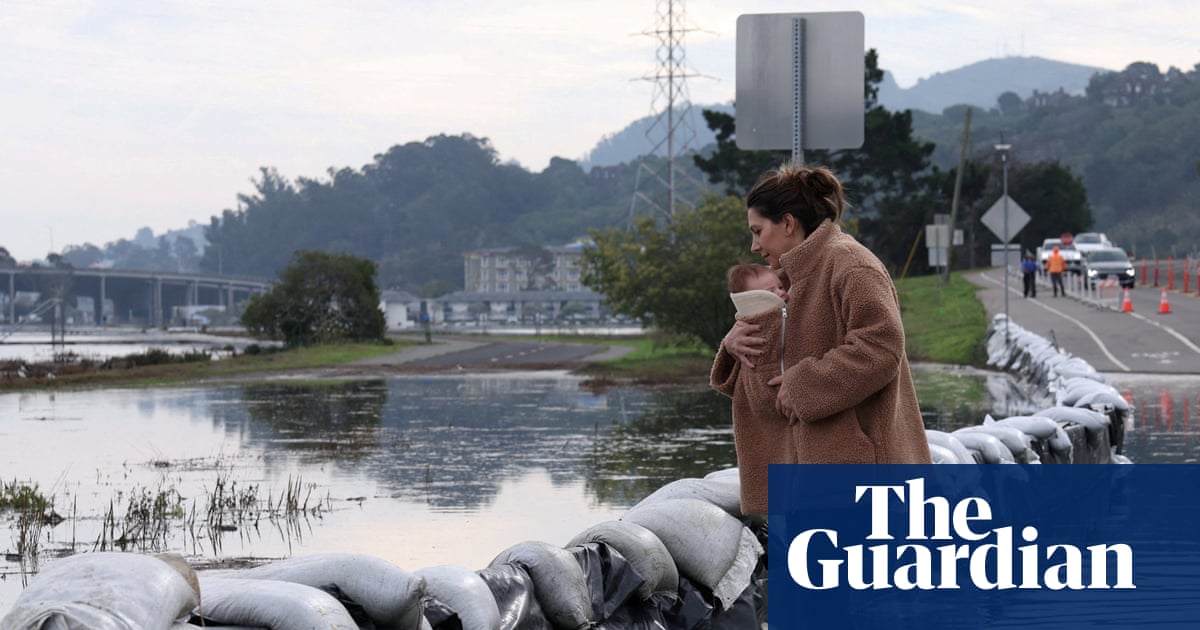
California is bracing for significant coastal flooding as a second day of record-breaking “king tides” reaches its peak on Wednesday, November 25. The unusually high tides are arriving alongside powerful surf, creating risks for low-lying roads, beaches and travel infrastructure during one of the busiest periods of the year. Forecasters expect most of the state to avoid the worst-case outcome—high tides coinciding with intense winter rainstorms—but officials have spent weeks preparing for possible disruption.
San Francisco International Airport has been a particular concern because it sits on low-lying coastal land. The airport reported no flooding impacts on Tuesday, while at least three airlines offered passengers free changes for journeys passing through San Francisco. The full extent of the flooding threat was expected to become clearer after Wednesday morning’s high-tide peak.
The National Weather Service warned of breaking waves measuring 20–25 feet in northern California, with waves of 20–30 feet possible around San Francisco. Along the central coast between San Francisco and Los Angeles, waves of 12–22 feet and dangerous rip currents were forecast. Santa Cruz, Monterey and Carmel-by-the-Sea closed city beaches, while San Diego officials warned of significant flooding near beaches and bays and the San Francisco Bay Area faced possible widespread road closures.
The heightened risk reflects unusually high Pacific water levels linked partly to this year’s strong El Niño and the lingering effects of a massive Kelvin wave. California Governor Gavin Newsom said the state had strengthened flood defenses, positioned emergency supplies and coordinated with local crews. Similar amplified king tides are expected again in late December and late January, when winter storms could produce more severe flooding.
Continue in the app — vote & join in ➔