
Trump deportation crackdown leaves climate-displaced rural Guatemalans with few options
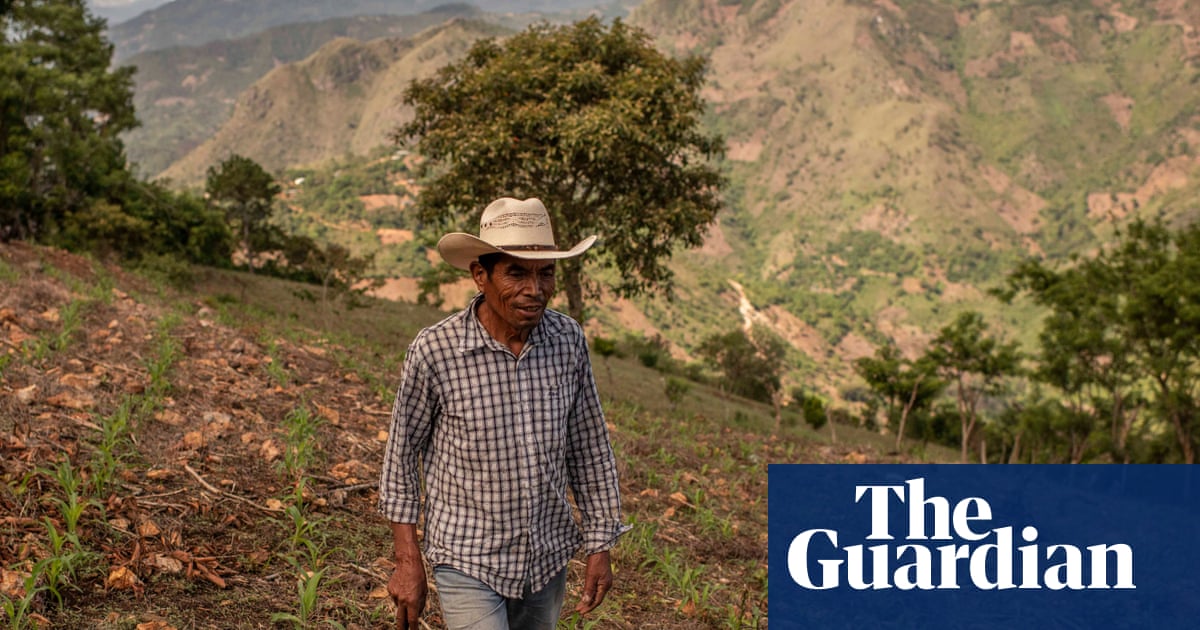
In Caparrosa, an Indigenous Maya Ch’orti’ village in eastern Guatemala’s Dry Corridor, mid-June farmland is bone-dry: the rainy season that for millennia began in early May is already a month and a half late, maize stands only a few inches tall, and some plots are bare. Lidia Molina, 30, has not planted; she is hoping for rain or for remittances from her husband, Brian Pérez (both names withheld by the Guardian). Their daughter Karla, two and a half, weighs 19 lb (8.5 kg), typical of a nine-month-old.
UNEP ranks Guatemala among the 20 countries most vulnerable to climate change; two-thirds of its 19 million people may face water shortages by 2050. Indigenous people are nearly half the population and often live without tap water or irrigation. Over 15 years of failed subsistence harvests, thousands have borrowed or pawned ancestral land to migrate north. Trump’s second-term deportations now cut that lifeline just as erratic rain also dries up regional farm work.
The Dry Corridor runs about 1,000 miles from southern Mexico to Panama, covering almost a third of Central America. After 2000s floods, Guatemala in 2013 became the second country in the Americas—after Mexico—to pass a climate-change framework law. Then droughts lengthened the mid-season canícula. By 2019, five years of failed harvests left 1.2 million people needing emergency food aid; family detentions at the US southern border that year included 185,000 Guatemalans and 188,000 Hondurans, an eightfold rise from 2016. In 2021 Pérez prepared to take 10-year-old Wilson more than 2,000 miles (3,300 km) through Mexico to the US border.
Continue in the app — vote & join in ➔