
European court rules states can turn back migrants in some cases
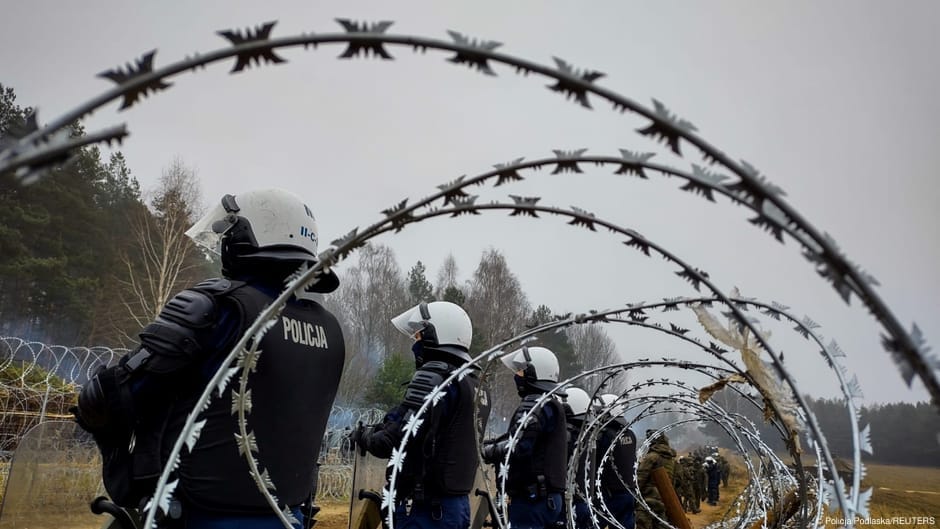
The European Court of Human Rights ruled on Tuesday that the 46 Council of Europe member states—which include all EU countries alongside non-EU nations—have the right to control foreign arrivals and turn back migrants even in hostile environments where migration is weaponized.
The ruling stems from a 2021–2022 standoff in which nationals from Afghanistan, Iraq, and Cuba sought to enter Poland, Latvia, and Lithuania after Belarus was accused of manufacturing a migration crisis to pressure the EU by bringing in third-country nationals and directing them toward EU borders. Describing those actions as an "instrumentalization of migration," the court stated that removing a foreign national back to an instrumentalizing state does not, in itself, violate Article 3's prohibition of torture and inhuman and degrading treatment.
Still, governments must protect migrants against inhumane or degrading treatment and continue identifying individuals particularly at risk of ill-treatment, even during a migration surge. The migrants in the case argued they were violently barred from crossing without having their asylum claims examined, and the court ordered Poland, Latvia, and Lithuania to pay compensation for their treatment of migrants at the Belarus border.
Separately, five EU countries announced a plan with Rwanda last week to establish a return hub for rejected asylum seekers awaiting return to their home countries, raising concern over Rwanda's low human rights rankings and whether migrants' rights will be adequately protected.
Continue in the app — vote & join in ➔