
One in four women worldwide cannot refuse sex within marriage, UN report finds
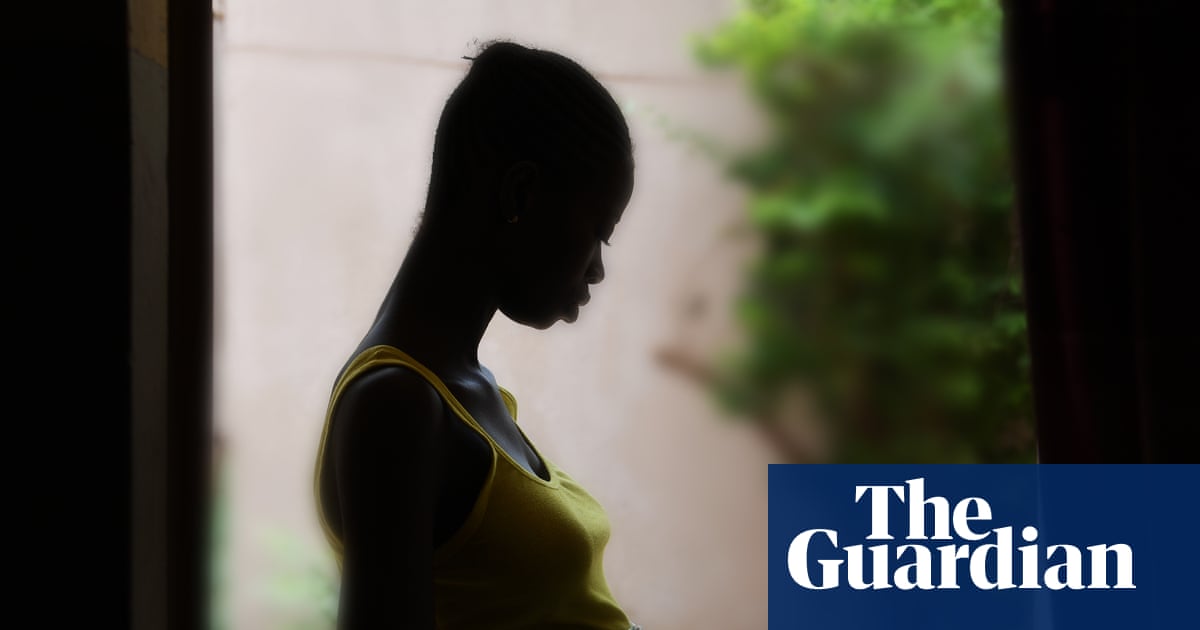
One in four women worldwide cannot refuse sex when a husband or partner demands it, according to a UN Population Fund (UNFPA) report. The figures vary sharply by region: 45% of women in west and central Africa lack this autonomy, as do 33% in east and southern Africa and in Arab states. In Latin America and the Caribbean, the proportion is 10%.
Girls and younger women are particularly vulnerable. In an analysis of eight countries—Angola, the Democratic Republic of the Congo, Kazakhstan, Malawi, Mali, Nigeria, Tajikistan and Zambia—those aged 15–19 had less power to reject sex than women aged 45–49. The findings are consistent with evidence of high levels of intimate partner violence among adolescent girls.
The report highlights the gap between international commitments and the protection available in practice. The African Union’s 2003 Maputo protocol requires states to uphold women’s equality, protect them from violence and ensure that marriage is based on full consent. Yet rape within marriage remains legal or partly exempted in some countries. Seven African states expressly shield husbands from prosecution, while Tanzania and Eritrea criminalise marital rape only in certain circumstances, such as when spouses do not live together.
Where child marriage is allowed, these loopholes can leave young wives without effective protection. Advocates say consent is still widely treated as a marital obligation, reinforced in some communities by religious and social beliefs. Human rights lawyer Jean-Paul Murunga stresses that marriage cannot constitute permanent consent: sexual intercourse without free and voluntary agreement is sexual violence, regardless of the relationship.
Continue in the app — vote & join in ➔