
Weakening UK electric vehicle targets would hurt car industry and consumers, experts say
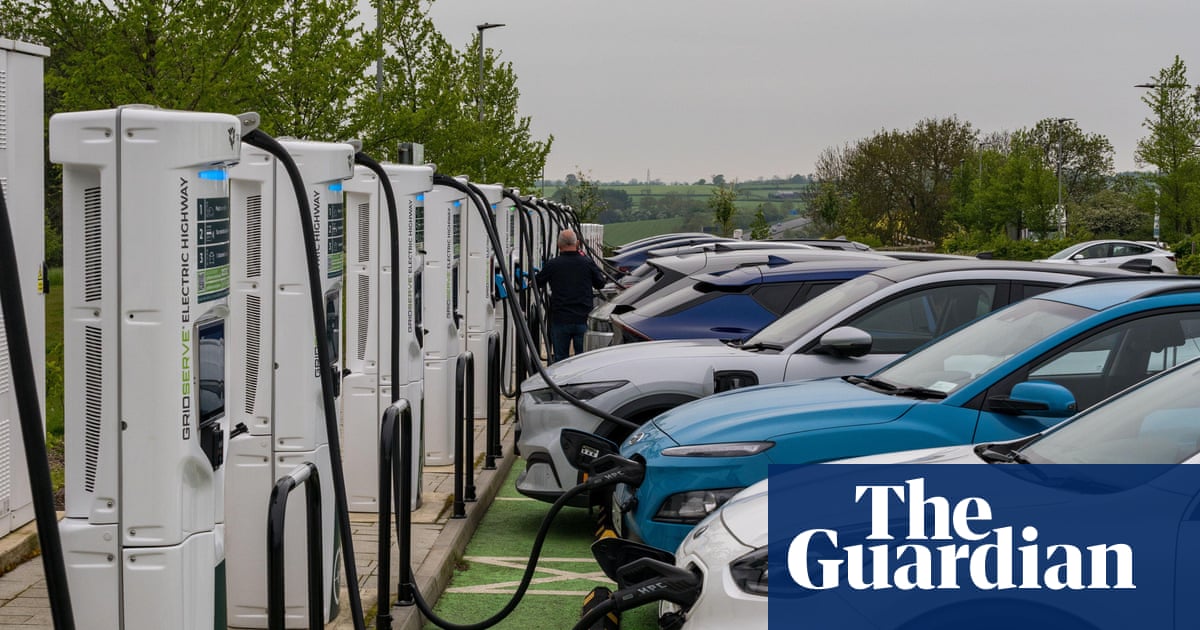
Campaigners and experts say watering down the UK’s zero-emission vehicle (ZEV) mandate would hurt carmakers and buyers and slow the shift that is already cutting running costs. The Climate Change Committee is due to write to ministers on Wednesday on how changing the rules would affect the cost of living and the UK’s net zero goals. The mandate requires 80% of new car sales to be electric from 2030 and 100% from 2035; Labour is reported to be poised to cut those figures.
Committee chair Nigel Topping, a long-time EV advocate with two decades in the automotive sector, has argued that electric cars are cheaper to run, cleaner and more efficient, and that the 2050 net zero target supports jobs and competitiveness. Analysts say weakening the mandate would slow the EV market: filling a petrol car can cost more than £100, while a full EV charge can be under £10. Greenpeace UK’s Ami McCarthy compared looser sales targets to driving with the handbrake on and said aligning them with the EU would only slow the UK, citing the prime minister’s Cop31 speech that industry must play its part.
Carmakers, via Society of Motor Manufacturers and Traders chief executive Mike Hawes, say current targets are too onerous, demand lags, and firms are discounting heavily while investing billions; they want fundamental change plus consumer incentives, cheaper charging and fewer disincentives. One expert countered that the UK is beating its present sales target by a wide margin, which would not happen if manufacturers were struggling. Most UK-made cars are exported, EV sales are rising strongly in the EU, and Chinese rivals face EU tariffs—an opening if Britain pushes harder. Battery-only EV sales rose by half last month year on year; minister Katie White noted an electric vehicle is sold every 52 seconds in the UK. A government spokesperson said it remains committed to phasing out all new cars.
Continue in the app — vote & join in ➔