
Hungary opens communist-era secret police files naming informants
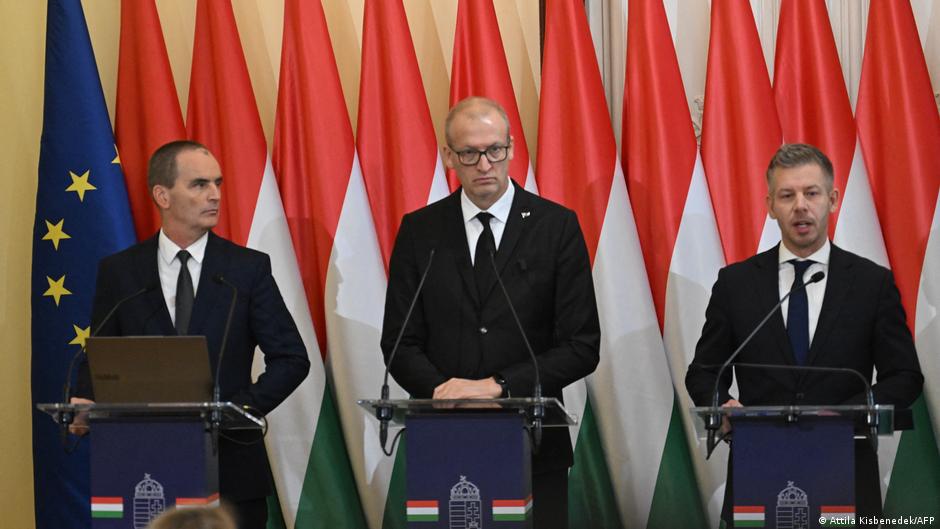
Hungary has opened thousands of communist-era secret police records in a searchable online database, marking the country’s most substantial effort yet to confront the legacy of one-party rule. The files name former informants who monitored citizens between 1949 and 1989, often reporting on colleagues, friends and relatives. Prime Minister Peter Magyar said about 60,000 names had been published and that a second batch of records was expected by February.
Magyar described the release as the fulfillment, 36 years after the 1989 regime change, of a promise that had repeatedly been delayed. He urged the public to approach the documents with “dignity and humanity,” warning that many families would encounter painful information about deceased relatives. The government’s decision follows decades in which successive administrations were accused of avoiding disclosures that might implicate prominent people.
State archive estimates suggest that around 150,000 people were recruited as informants, although records for roughly two-thirds are missing. Files were destroyed during Hungary’s 1956 anti-Soviet uprising, concealed during the transition to democracy or are believed to have been taken to Moscow. Historian Laszlo Eorsi called the publication “better late than never” and predicted revelations that could cause considerable public turmoil. Rumors that former Prime Minister Viktor Orban had been an informant were not supported by the database; Orban has said an attempt to recruit him during military service failed.
Continue in the app — vote & join in ➔