
Bronze leg found in Scottish bog reshapes understanding of Roman occupation
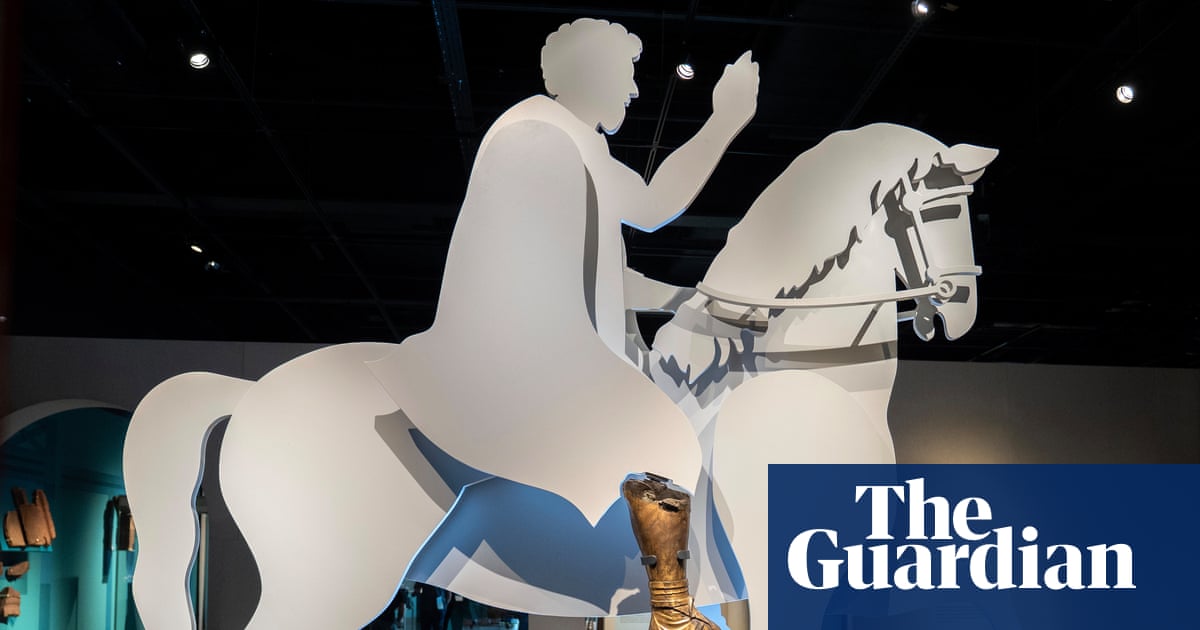
A gilded bronze leg discovered in a Scottish bog in 1820 is changing assumptions about the scale of Roman power north of Hadrian’s Wall. Long regarded as loot seized by Scottish tribes—possibly taken from York and carried north—the Mislington leg is now believed to have come from the Scottish Borders. Archaeologists think it formed part of a huge equestrian statue of Emperor Antoninus Pius, erected near Hawick after Roman forces gained control of southern Scotland around AD 140.
The leg is the centrepiece of Roman Scotland: Life on the Edge of Empire, the largest exhibition devoted to Roman Scotland, opening at the National Museum of Scotland in Edinburgh. It had spent a century in a charter room at Dalkeith House, owned by the Duke of Buccleuch. Curators argue that the Romans occupied extensive areas of Scotland, created new forms of art and influenced politics long after their withdrawal. During the Antonine period, from AD 142 to 165, an estimated 10,000 troops—including auxiliaries from modern-day Romania and north Africa—were stationed across southern and eastern Scotland, alongside perhaps 10,000 camp followers, wives and enslaved people.
The exhibition also presents artefacts from Inveresk, including a uniquely decorated bowl, brightly painted altars from a temple of Mithras and the skeleton of a carefully buried cavalry horse. Roman influence helped inspire ornate native artistic traditions, while Roman pressure eventually encouraged Pictish tribes to unite in an anti-Roman coalition.
Continue in the app — vote & join in ➔