
Rohingya who escaped Myanmar’s genocide tell their stories
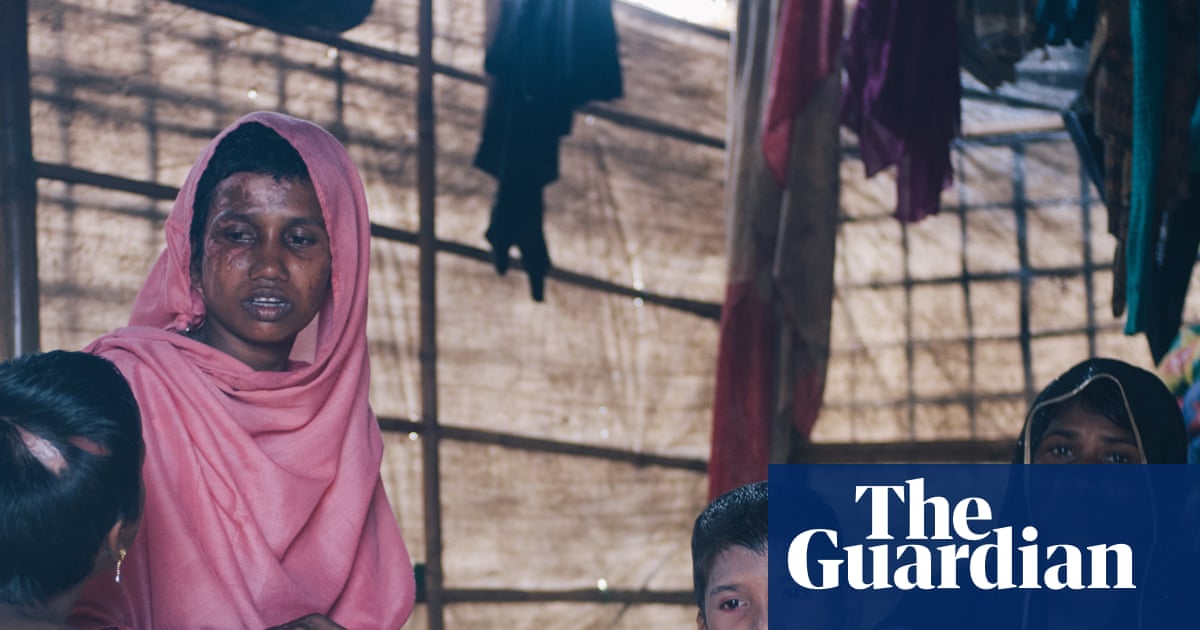
Rohingya survivors describe fleeing Myanmar in 2017 after smoke from neighbouring villages and rivers running red with blood warned that soldiers were coming. Many pulled bodies from the water, performed quick burial rites, and ran through forests, hills and monsoon rains toward Bangladesh. The International Court of Justice in The Hague ruled this week that Myanmar committed genocide against the Rohingya, not merely ethnic cleansing, because troops also killed people as they escaped in an effort to destroy the group as a people.
More than 700,000 reached Bangladesh and now live in what has become the world’s largest refugee camp. At Tula Toli, thousands were rounded up, killed and buried in mass graves; elsewhere men were captured and killed by security forces. Sisters Momtaz Begum and Dildar Begum both lost husbands and children in Tula Toli and were raped in front of a lone surviving daughter; each daughter has similar scars along the back of the head. They believed each other dead for months before finding they had both reached different parts of the camp. Anwara Begum, a refugee as a child in 1978 and again in the early 1990s, when she lost a son to respiratory disease in a rainy-season tent, broke a vow never to flee again after her husband pulled bodies from the river and they paid a boatman gold worth US $200 (£150) to cross the River Naf. Elderly Nur Alam, a refugee for the fourth time since the 1950s when Myanmar was still Burma, was carried on his children’s shoulders; his 10-year-old grandson Mamoon held his hand.
Almost a decade later most remain in bamboo-and-tarpaulin shelters, barred from leaving, working or seeking education, joining others who fled in the early 1990s. The ruling comes as hundreds have died at sea trying to leave the camps and as Malaysia and India have spoken of sending Rohingya back; campaigners hope it will halt those returns.
Continue in the app — vote & join in ➔