
Review: Nan Goldin's Hayward Gallery show links erotic photography to Caravaggio, myth and Stendhal Syndrome
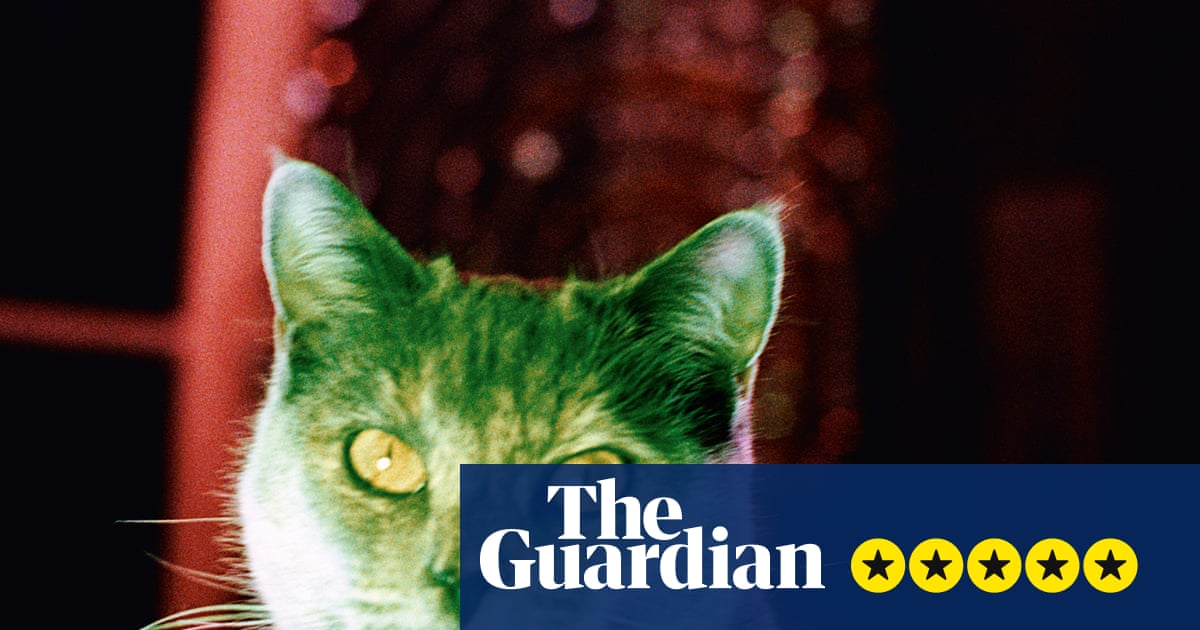
A Guardian review of Nan Goldin’s exhibition at London’s Hayward Gallery argues that the American photographer belongs among the greatest US artists since Warhol, using dirty realism and unfazed pictures of spontaneous, dangerous lives to reach the ambition of her film Stendhal Syndrome. That condition is named after the French novelist who in 1817 fell ill in Florence after gorging on Renaissance treasures; Goldin describes a similar aesthetic delirium the first time she was alone in the Louvre in Paris. Screened in a bronze yurt reached through a vaulted corridor, the film montages her uniquely raw, immediate photographs of friends—mostly nude, embracing, swooning, touching themselves or bathing—with old-master images she recognised as their faces: a Caravaggesque young man cut against an actual Caravaggio, plus Correggio and Canova. Lovers echo Cupid and Psyche; she recounts Ovid’s Metamorphoses and photographs people she knows as Pygmalion and Galatea and as Narcissus, asking what beauty and art are if not ways to freeze life’s passing glory. Another film, Memory Lost, sets addiction—including a mattress with a huge dark hole, apparently burnt by a cigarette—against rapturous skies and woodlands, asking whether heroin and prescription opioids sharpen or erase that beauty. Goldin campaigns against opioids, yet the addictive sublime runs through her work in a Romantic line from Edgar Allan Poe to Lou Reed. The show takes its title from You Never Did Anything Wrong, a two-part montage of staring cats, owls and alligators and of wild and domestic animals; the phrase is a pet-cemetery inscription, another reads “We are sorry,” pointing to the innocence of a natural world humans are destroying.
Continue in the app — vote & join in ➔