
Myanmar found guilty of genocide by International Court of Justice
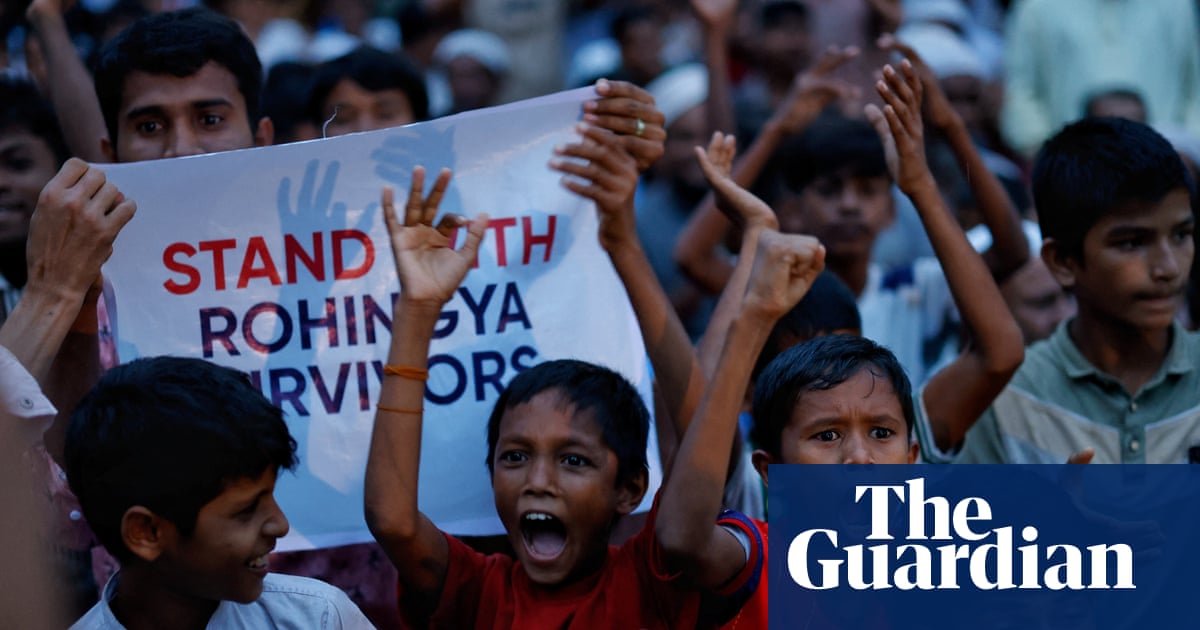
In a historic ruling, the International Court of Justice (ICJ) has for the first time found that a state committed genocide, declaring Myanmar guilty of the crime against Rohingya Muslims. Delivered last week, the landmark verdict follows a seven-year legal battle over one of the gravest human rights crimes.
For survivors and advocates, the judgment carries deep personal weight alongside its legal significance. Yasmin Ullah, whose own family was directly affected by the genocide, spent seven years as part of the delegation arguing the case against Myanmar and was in court to hear the decision. Telling The Guardian's Annie Kelly about the moment, Ullah said she was "really kind of pinching myself," adding that it felt as if they were all able to breathe again.
The ruling could also carry far-reaching consequences beyond Myanmar and the Rohingya people. In examining how the case unfolded and what could happen next, Guardian journalist Kaamil Ahmed notes that the precedent set by the ICJ holds particular significance for Israel, which is facing a similar genocide case before the same court.
Continue in the app — vote & join in ➔