
Plant-based dairy substitutes could leave women and young people short of key nutrients
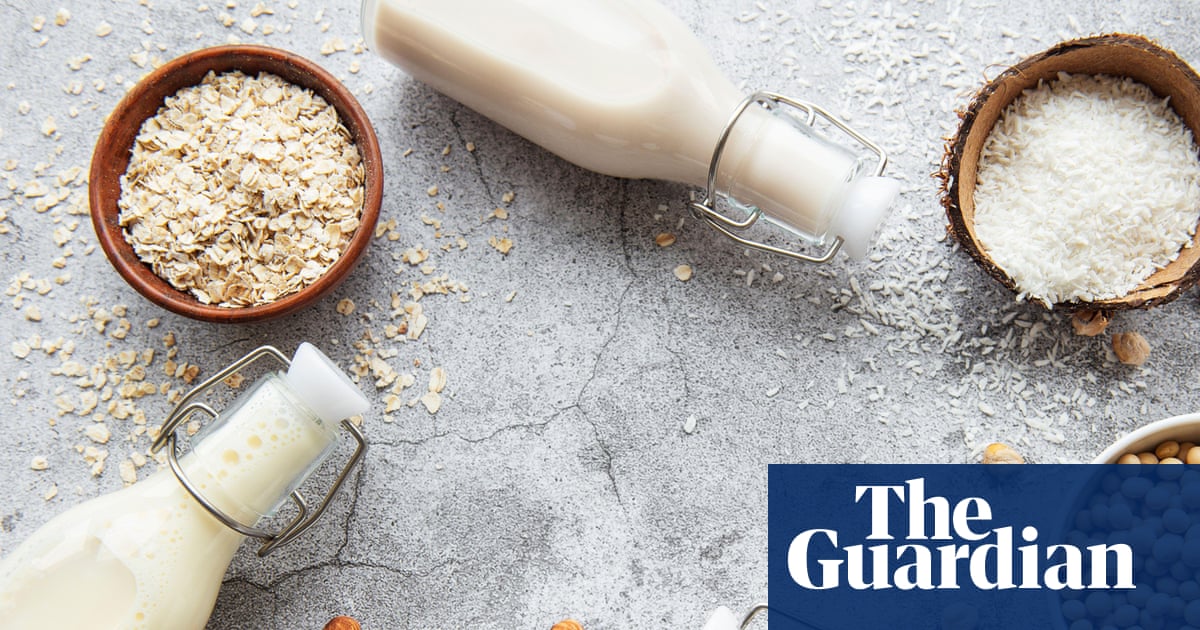
Replacing dairy with plant-based milk, yoghurt and cheese may reduce several important nutrient intakes, with young people and women of childbearing age facing the greatest risk. The main concern is iodine, which the thyroid needs to produce hormones involved in metabolism, growth and brain development. More than half of UK teenage girls already have inadequate iodine intake.
Researchers modelled what would happen if people replaced 20–33% of their dairy consumption with plant-based alternatives sold in the UK. Even products reflecting typical market fortification levels raised estimated iodine deficiency from 54% to 65% among adolescent girls and from 32% to 42% among women aged 19–49. Replacing one-third of dairy also reduced iodine intake by 9–21%, while calcium, riboflavin and vitamin B12 levels fell as well. A complete switch could leave 80% of teenage girls and 72% of teenage boys with inadequate iodine intake.
The study assessed 146 non-dairy milks, 76 yoghurts and 67 cheeses. Although 61% contained added calcium and 46% added vitamin B12, only 19% were fortified with riboflavin and 12% with iodine. The researchers say mandatory iodine fortification could prevent average declines, while iodised salt in bread might help further. Dietitian Nichola Ludlam-Raine stressed that overall diet remains important, but advised checking labels: organic plant-based drinks are generally not fortified, and iodine can instead come from foods such as cod, haddock, eggs and dairy products for those who consume them.
Continue in the app — vote & join in ➔