
Taliban Restrictions Leave Afghan Women Without Essential Medical Care
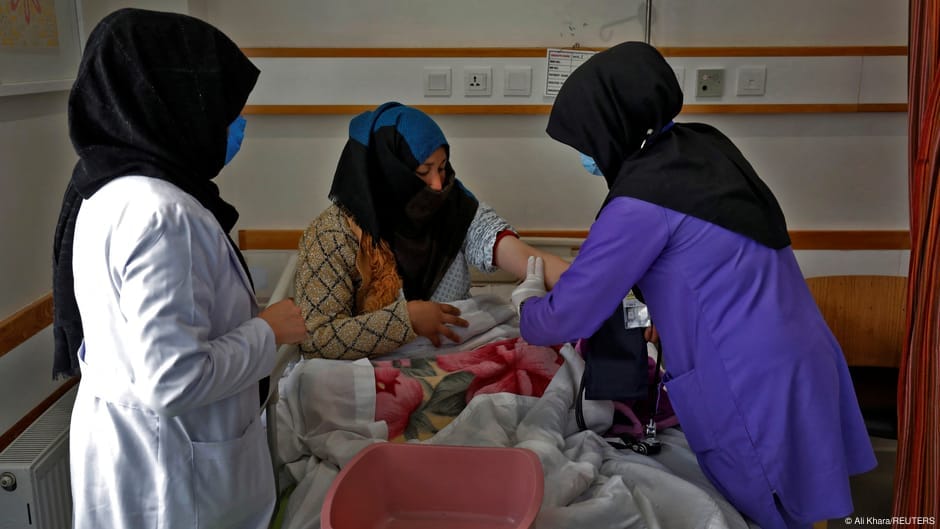
Women in Afghanistan are losing access to essential healthcare as Taliban rules increasingly prevent male doctors from treating them, while too few female medical professionals are available. Pregnant women face particularly serious risks. A woman from Kunar province told investigators that she had suffered several miscarriages without being able to obtain medical care, illustrating how restrictions can turn treatable conditions into life-threatening emergencies. Cuts in international aid have further weakened the country’s healthcare system.
The United Nations Assistance Mission in Afghanistan reported in September 2025 that Taliban inspectors were enforcing additional regulations and decrees limiting women’s access to treatment. The consequences extend beyond hospitals: more than 100 decrees issued since the Taliban returned to power in August 2021 have restricted women’s education, employment and public life. Around 2.6 million girls are excluded from secondary education, a situation UN Women warns could contribute to more child marriages and higher maternal mortality.
Afghanistan has about 45 million people, and approximately 42% are under 15, making the country especially vulnerable to the long-term effects of these policies. Afghan women’s rights activist Tamana Zaryab Paryani has described the system as “gender apartheid” and urged the international community not to normalize it. Legal scholar Haroon Mutasem argues that the institutionalized oppression may go beyond existing definitions of gender-based persecution under international law, warning that inaction could encourage other authoritarian or extremist movements.
Continue in the app — vote & join in ➔