
Ear Nerve Stimulation Shows Potential for Severe High Blood Pressure
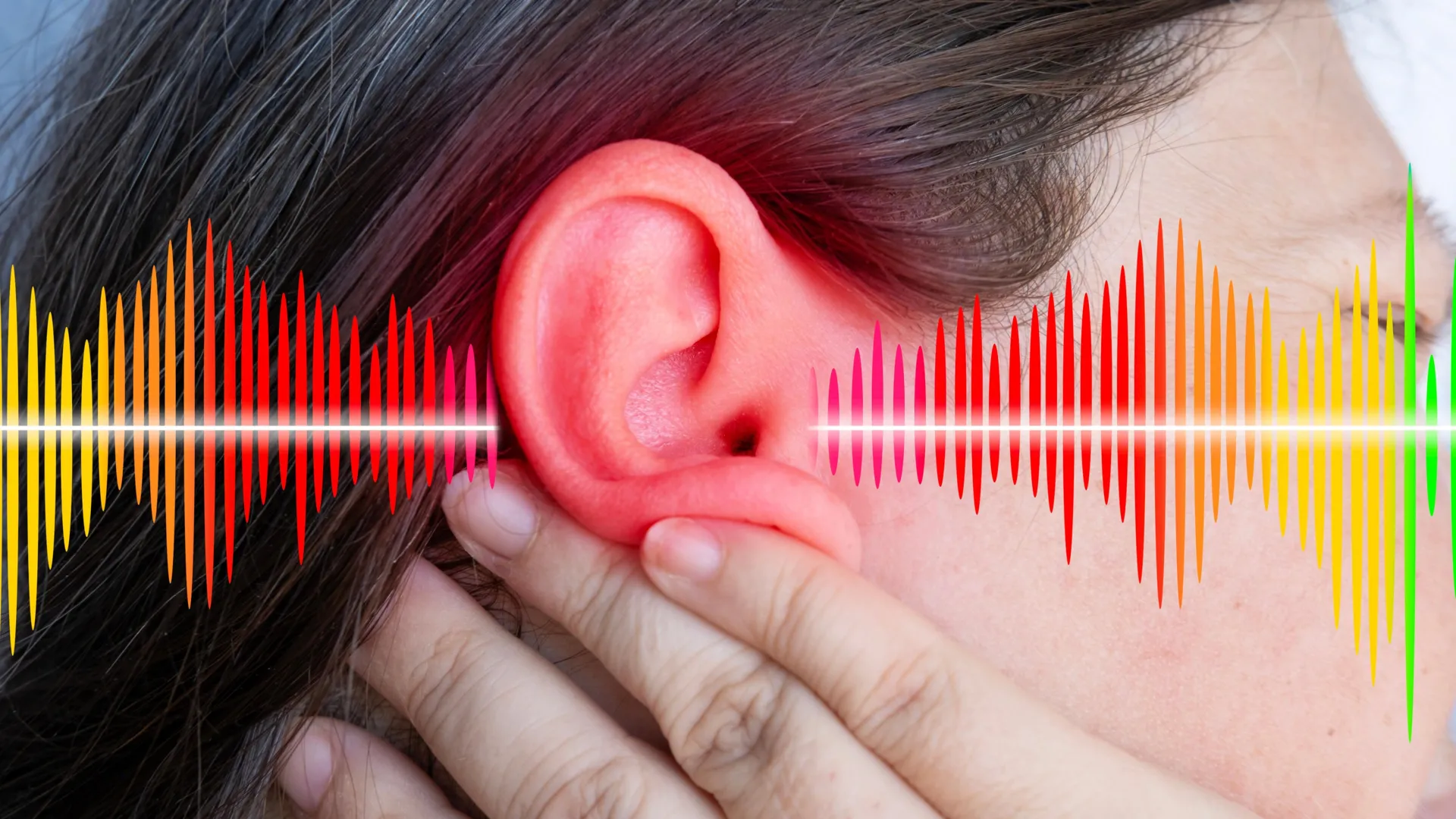
A non-invasive device that delivers mild electrical pulses through clips attached to the tragus—the cartilage in front of the ear canal—may offer a future add-on treatment for difficult-to-control high blood pressure. The technique, called transcutaneous autonomic neuromodulation, is intended to influence the autonomic nervous system, which helps regulate blood pressure and heart rate.
In the NIHR-funded SCRATCH-HTN trial, researchers led by Queen Mary University of London enrolled 63 people whose blood pressure remained above recommended levels despite taking at least one medication. Participants were randomly assigned to active stimulation or a sham device. They used it for 30 minutes a day for two weeks, then once weekly for another 10 weeks. The treatment was safe, generally comfortable and practical to administer at home, with most participants following the schedule.
Across the full study population, however, active stimulation did not produce a statistically significant improvement over the sham treatment. A prespecified analysis found a larger blood-pressure reduction among participants who began with more severe hypertension, suggesting that any benefit may be concentrated in this group. Because the trial was small, the result is not proof of effectiveness; larger studies are needed to confirm the signal and determine which patients, if any, are most likely to benefit.
Continue in the app — vote & join in ➔