
Warming UK Seas Could Fundamentally Reshape Marine Ecosystems by 2050
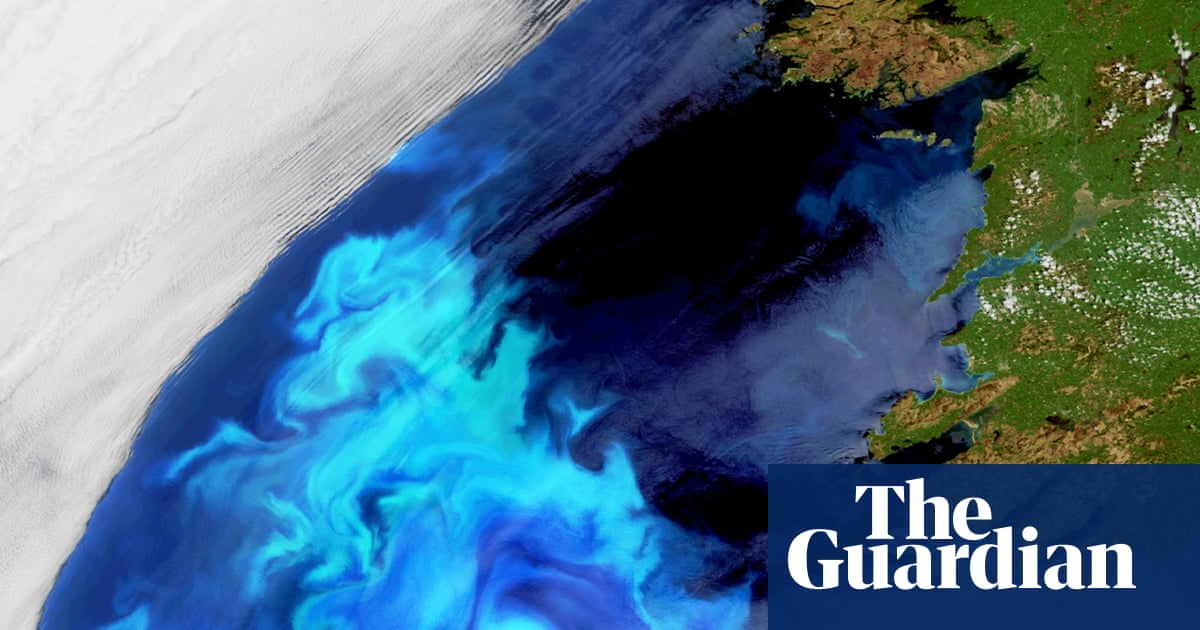
Warming seas around the UK and the wider north-east Atlantic could destabilise marine food webs, weaken ocean resilience and threaten food security by 2050, according to a four-year study led by Cefas and published in Science Advances. The region, particularly the southern North Sea, is one of 20 global marine climate hotspots that have warmed fastest over the past 50 years.
The research examined how climate change could affect four key groups of marine life under a scenario of 3C warming by 2100. By mid-century, fish and seabed invertebrate diversity could rise by about 12%, as warmer waters allow species such as anchovies, seabass and sardines to expand northwards. However, phytoplankton diversity is projected to fall by about 3% and zooplankton diversity by 7%. These organisms underpin the marine food chain, so gains among predators may be offset by losses among their prey.
The findings challenge the assumption that biodiversity will increase uniformly at middle latitudes. Scientists warn that a predator-prey imbalance could fundamentally reshape marine ecosystems, leaving them less healthy and resilient even where some groups become more diverse. The study used long-term datasets and machine-learning methods to project climate-driven biodiversity changes through 2100, and its results have been submitted to a UK review of marine protected areas and fisheries management.
Continue in the app — vote & join in ➔