
Hot fridges, a fake nuclear alert and a $6bn heist: are we in the foothills of a hacking epidemic?
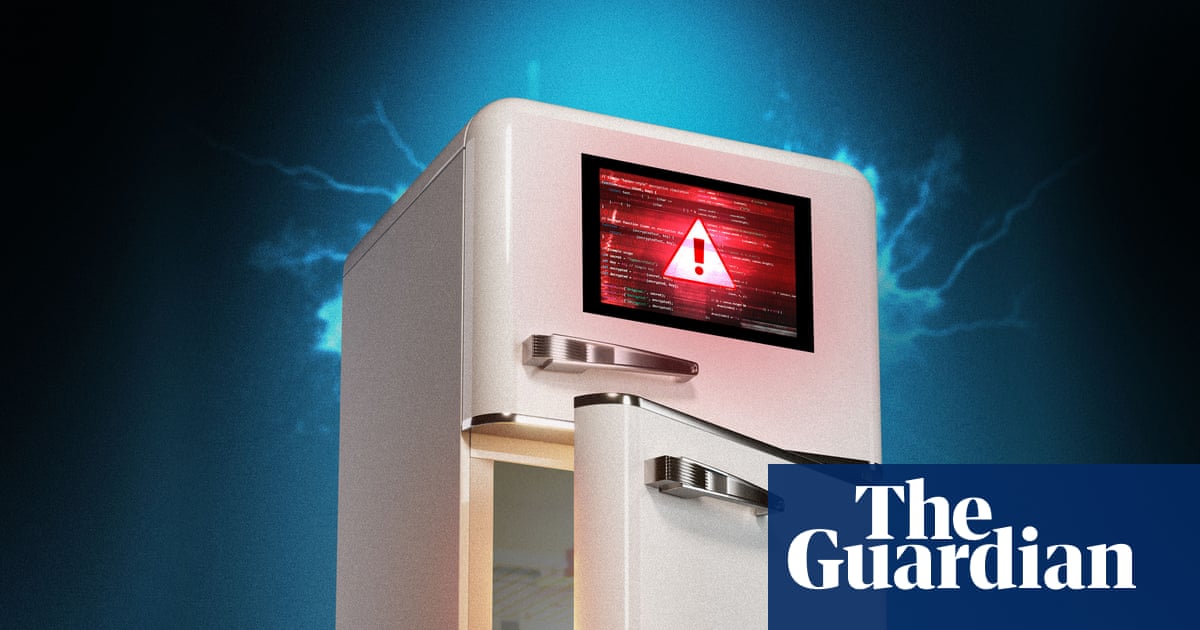
A wave of cyber-attacks recently disrupted commercial refrigeration across Europe, threatening inventories and safety. In London, food wholesaler Alex Pearce averted a potential fire after finding units set to 150C defrost temperatures and pulling the internet cable. Similar disruptions affected retailers across Belgium, Estonia, Ireland, Finland, Luxembourg, the Netherlands, and Sweden—where cooling units reached 50C—as well as French blood banks.
The sabotage coincided with other severe breaches, including a record $6.3bn heist from cryptocurrency exchange Binance on October 30 and a false nuclear alert sent via Ukraine's emergency app on November 1. Analysts suspect state involvement, pointing to North Korea for the Binance theft and Russia in Ukraine and Europe. Richard Horne, head of the UK’s National Cyber Security Centre (NCSC), warned of an expanding threat landscape driven by geopolitical friction and AI-exposed vulnerabilities.
However, officials note that basic security lapses remain decisive. NCSC operations director Paul Chichester explained that the fridge intruders did not need AI, having exploited default passwords from public manuals. Former NCSC head Ciaran Martin also downplayed panic, observing that the pressure resembles previous major disruption waves such as the 2017 WannaCry and NotPetya attacks.
Continue in the app — vote & join in ➔