
Xi, Trump and Putin Summit Produces Few Tangible Results
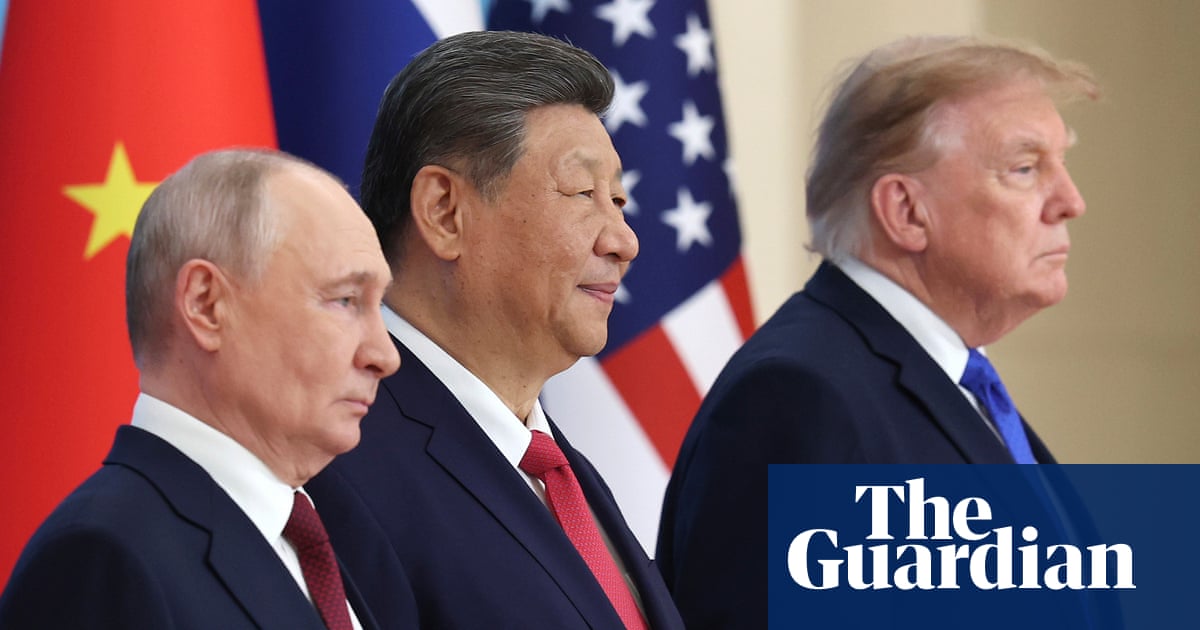
The first meeting between Xi Jinping, Donald Trump and Vladimir Putin in Shenzhen was historic in symbolism but produced little concrete progress. The 90-minute summit generated a brief joint statement covering energy supplies, reform of the United Nations, limits on the International Criminal Court and a tentative willingness to discuss nuclear disarmament and non-proliferation. Yet the leaders offered no detailed plans for pursuing those goals, while their broader pledge to maintain strategic stability contrasted sharply with the conflicts and tensions surrounding them.
The gathering nevertheless served each participant’s domestic and geopolitical interests. Trump was able to display his close relationship with Putin and his affinity with two authoritarian leaders, while Putin could present the summit at home as evidence that Russia still commands the attention of both China and the United States. He also used the occasion to argue that Europe’s efforts to isolate Moscow had failed and that the Asia-Pacific had become the centre of the global economy. For Xi, hosting the meeting reinforced China’s status as a central power and suggested that the United States no longer dominates international affairs alone.
Putin tried to place the summit in the tradition of the wartime meetings at Yalta and Tehran, but Shenzhen lacked their sweeping political commitments. Its language about international law also appeared designed to constrain institutions such as the ICC, whose arrest warrants could affect world leaders. On the same day, the International Court of Justice found Myanmar guilty of genocide, underscoring the gap between the summit’s rhetoric about international order and the leaders’ limited willingness to explain how that order should work.
Continue in the app — vote & join in ➔