
Slovenia loses its Triglav glacier after scorching summer
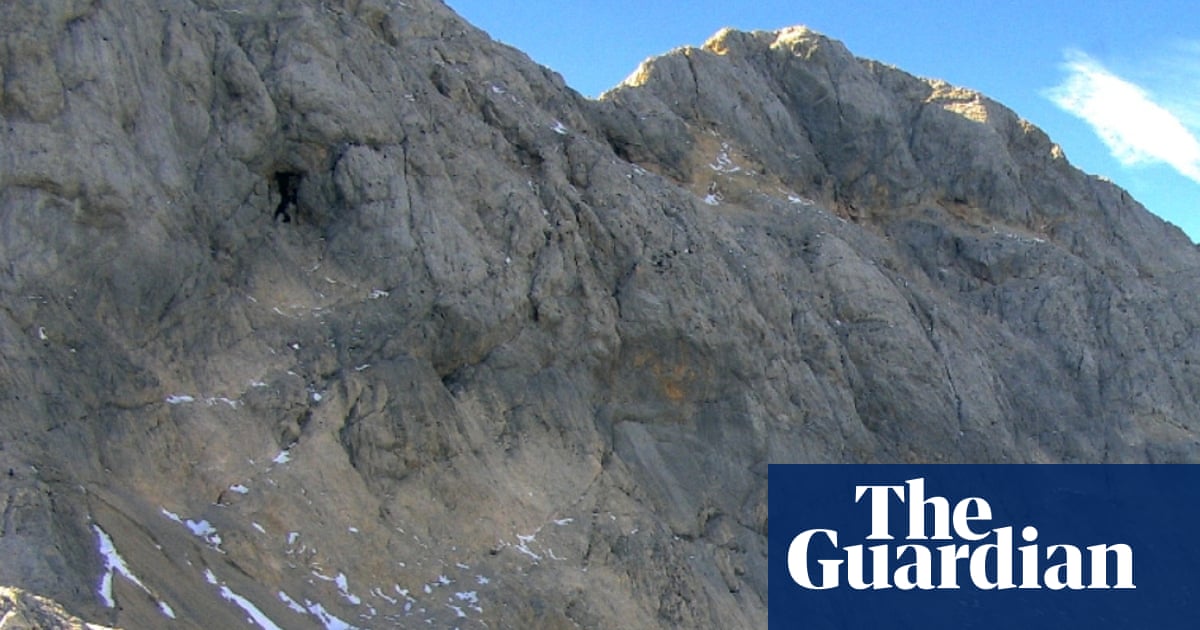
The last ice on Slovenia’s Triglav glacier has vanished after extreme summer heat, confirmed by photographs of the mountainside taken on either side of snowfall this month. The glacier, on Slovenia’s highest peak and a central symbol of national identity in a country of skiers and climbers, lost 93 percent of its surface area between 1983 and 2003, shrinking to less than a hectare. Researchers then feared it would disappear at once, but it clung on for two more decades before, in a five-year stretch that included Europe’s three hottest years on record, melting into isolated pockets. By the end of summer the last remnant of the main body measured only a few metres.
Historical photographs suggest the ice covered about 40 hectares in the mid-1800s. Formal measurements in 1946 put it at 14 hectares. Matija Zorn, director of the Anton Melik Geographical Institute, first measured it in 2001 and recalled taking a five-metre ice core in 2002, then standing on rock at the same spot the following year. He said its loss also removes an important climate record. A second glacier on Mount Skuta has thinned too, but is better shaded and is expected to last a few more years; ice has also been found in caves newly exposed beneath Triglav.
Western Europe recorded its hottest summer this year, with an estimated 50,000 heat deaths and knock-on effects including failed harvests and power-plant shutdowns. Swiss glaciologists reported last month that nearly a fifth of Switzerland’s ice vanished in five years, including a 5.5 percent drop in volume in 2026. Heatwaves intensified by carbon pollution have left Alpine ice fields looking, scientists said, like moonlike rock deserts. Glaciologist and mountain guide Miha Pavšek, who has a 1957 photograph of his parents at Triglav, said glaciers had been treated as eternal and were clearly not.
Continue in the app — vote & join in ➔