
Swiss voters ease arms export rules in Sunday referendum
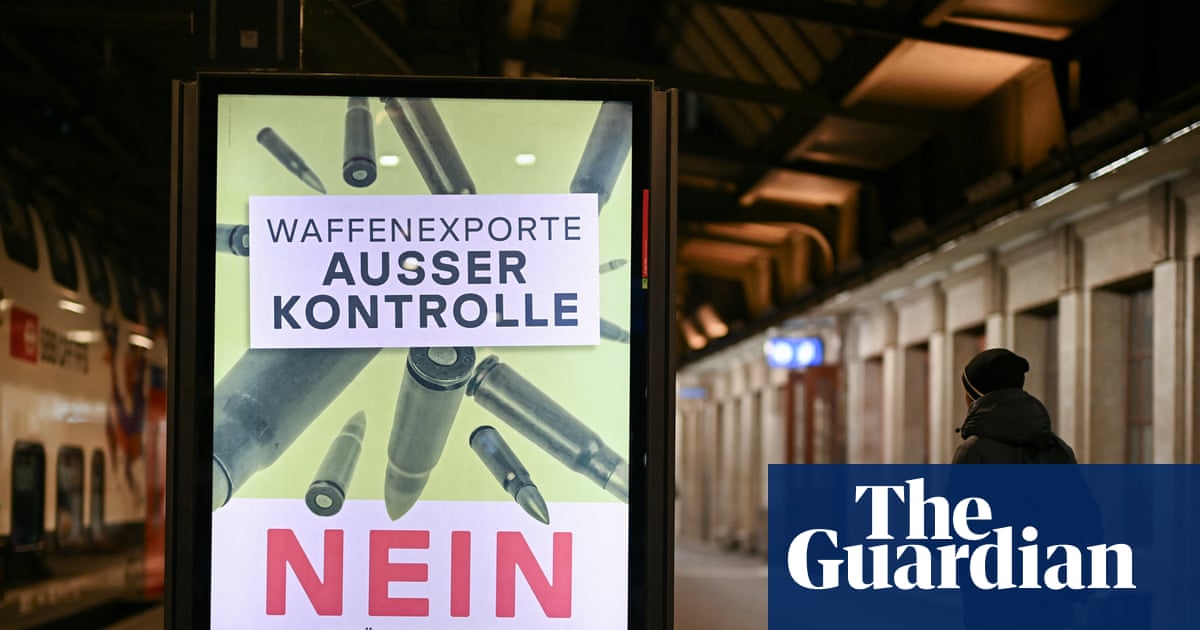
On Sunday, 54.3% of Swiss voters accepted a government-backed referendum to ease strict arms-export rules that had been tied to the country’s traditional neutrality. Bern will be able to sell weapons to 36 western countries — EU member states, the United Kingdom, Canada, Japan and the United States — even when those states are involved in conflicts, a practice previously banned. Ukraine is not among the 36, and indirect transfers there remain restricted.
Buyers will no longer have to seek Swiss permission for every re-export, though Switzerland can still demand consent on neutrality or foreign-policy grounds. The change follows allied criticism of Bern’s refusal to let Swiss-made matériel go to Ukraine: Germany was blocked from sending Gepard tank ammunition purchased three decades earlier; Spain from transferring Piranha III armoured vehicles; and Denmark from sending two 35mm anti-aircraft guns. In 2023 the European Parliament voiced “regret” over the re-export ban. Switzerland’s Federal Council warned last year that partners were shutting the country out of defence procurement as an “unreliable” partner, and France’s defence minister, Catherine Vautrin, told the Neue Zürcher Zeitung that industrial collaboration could shrink if the limits stayed.
Parliament approved the easing last year, prompting a referendum from left-wing and green opponents who feared it would undermine neutrality. Amnesty International Switzerland, via Patrick Walder, argued that today’s authorisation cannot guarantee weapons will not later be used against civilians or sent to a country committing grave violations. Christophe Gerber of the defence-industry association GRPM told RTS he felt “great satisfaction” for manufacturers. The result comes two months after voters rejected a stricter neutrality definition that would have curbed Nato cooperation and ended sanctions on Russia. Neutrality was formally recognised after the Napoleonic wars in 1815; Russia’s full-scale invasion of Ukraine has reopened how that tradition is interpreted.
Continue in the app — vote & join in ➔