
UVA researchers link CASS4 gene to the brain’s ability to contain Alzheimer’s plaques
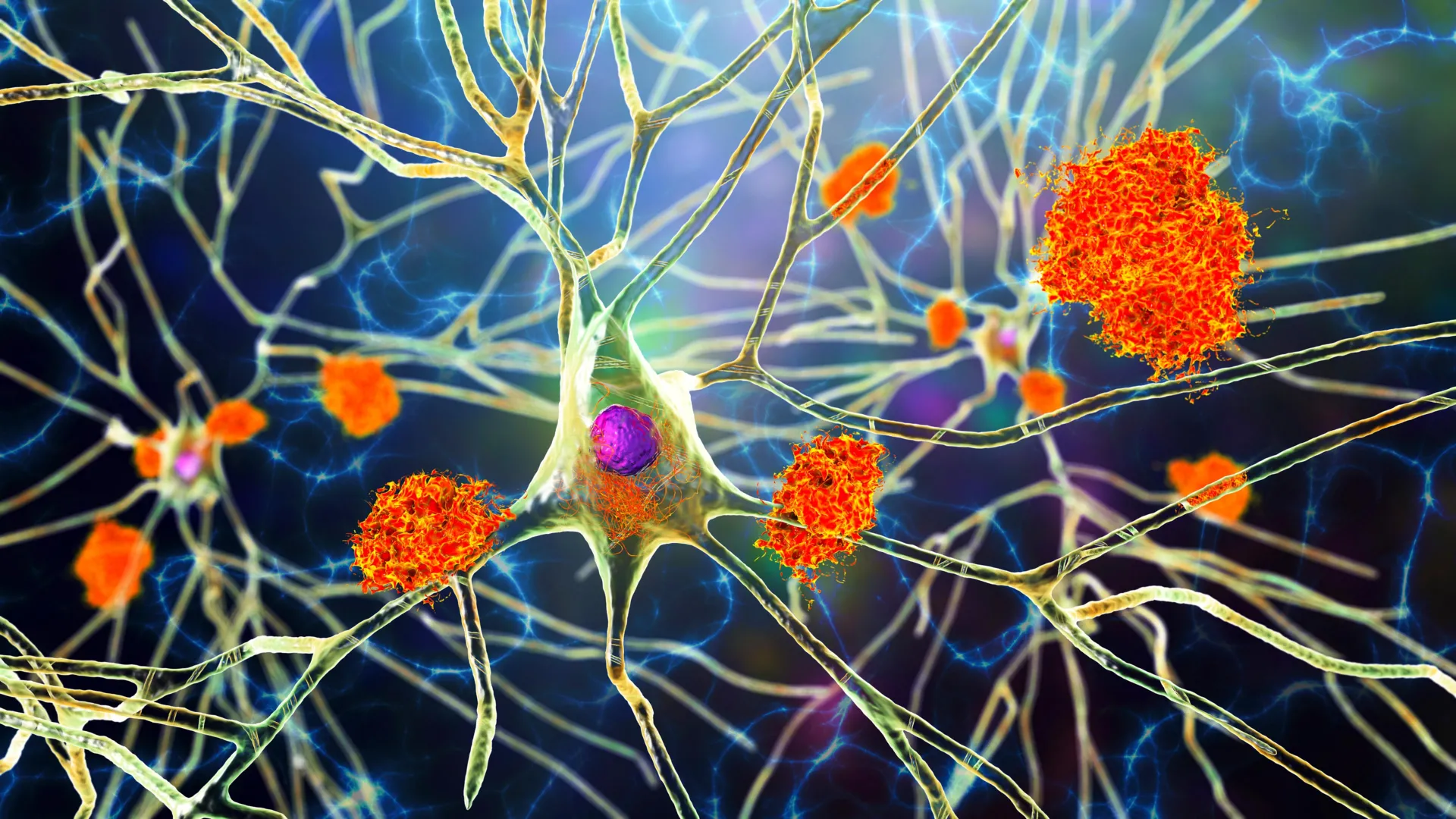
Researchers at UVA Health have shown that CASS4, a gene repeatedly tied to higher Alzheimer’s risk, mainly helps the brain’s immune system contain amyloid-beta plaques rather than acting primarily on neurons, as scientists had previously suspected. The work was led by John Lukens, PhD, director of UVA’s Harrison Family Translational Research Center in Alzheimer’s and Neurodegenerative Diseases, with first author Addie Walsh, a UVA physiology graduate student. Until this study, little was known about what the gene actually does.
CASS4 helps regulate microglia, immune cells that clean up threats in the brain. When amyloid-beta plaques form between nerve cells, microglia can surround them with protective barriers and compress the deposits into smaller, tighter structures, limiting damage to nearby tissue. When CASS4 activity was disrupted in laboratory mice, those cells responded poorly, plaques accumulated and spread faster, nearby neurons were harmed, and cognitive function worsened.
More than 6 million Americans live with Alzheimer’s, a progressive illness that erodes memory and thinking and is cited here as the sixth-leading cause of death in the United States. Twisted tau tangles are another hallmark alongside plaques. Lukens said defective CASS4 activity may serve as an early-onset biomarker and that boosting its function could offer a treatment path. Losing CASS4 also changed the activity of many other genes, with possible relevance to other neurodegenerative diseases.
Continue in the app — vote & join in ➔