
AI finds bladder cancer warning signs in medical records years before diagnosis
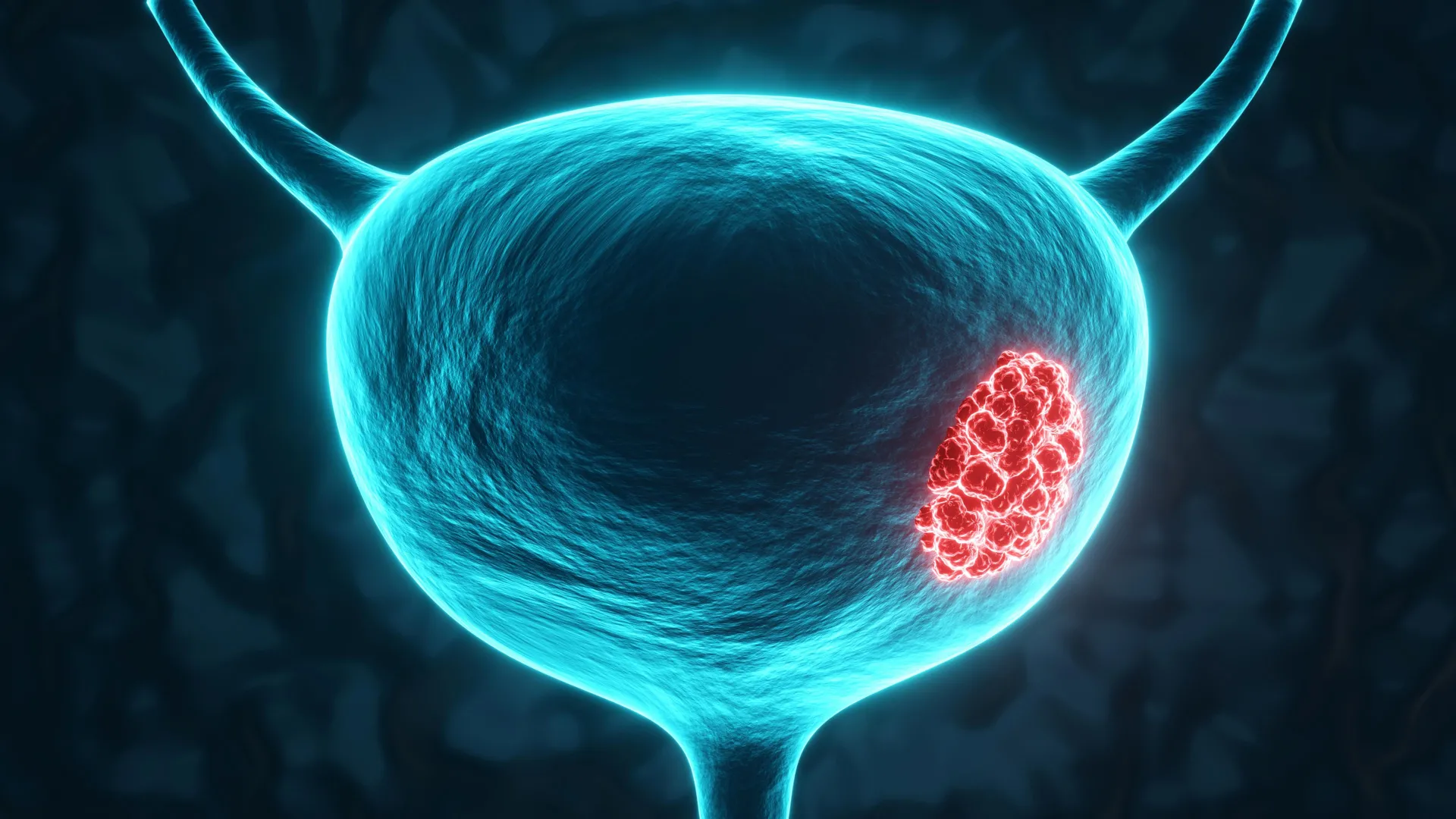
Researchers at the University of Plymouth have built an AI model, PRECISE-AGZ, that searches electronic health records for combinations of symptoms, medical conditions, risk factors and healthcare activity linked to bladder cancer, sometimes years before diagnosis. The disease kills about 220,000 people worldwide each year. Early signs, including visible blood in the urine (hematuria), overlap with benign problems such as kidney stones and prostate conditions, so conventional referral rules can miss cases. Confirmation still requires cystoscopy, an invasive camera examination of the bladder.
A team led by Professor Shang-Ming Zhou at the university’s Centre for Health Technology studied records from nearly 70,000 patients covering 1995 to 2020. From 48,261 possible indicators—ranging from smoking and exercise to medication use—the model narrowed the list to 38 features that best predicted risk. It correctly identified 85% of patients who had bladder cancer and accurately classified 91% of those who did not, outperforming existing NHS referral guidelines. Detection was effective as early as 12 months before official diagnosis, and some warning signals dated back as far as five years.
The AI confirmed smoking and hematuria as important factors but also found unexpected associations: Parkinson’s disease and dementia appeared linked to lower bladder cancer risk, while long-term use of tamoxifen, a breast cancer drug, was associated with higher risk. Those findings do not prove protection or causation; they raise questions about shared biological mechanisms. Among men with benign prostate enlargement, blood in the urine was associated with lower bladder cancer risk. The system can also place patients into three groups by estimated probability: low risk below 7%, an uncertain grey zone of 7–55%, and high risk above 55%, which could help decide who needs urgent investigation and who might be spared unnecessary cystoscopy.
Continue in the app — vote & join in ➔