
Early humans collected strange stones 500,000 years ago. Scientists may know why
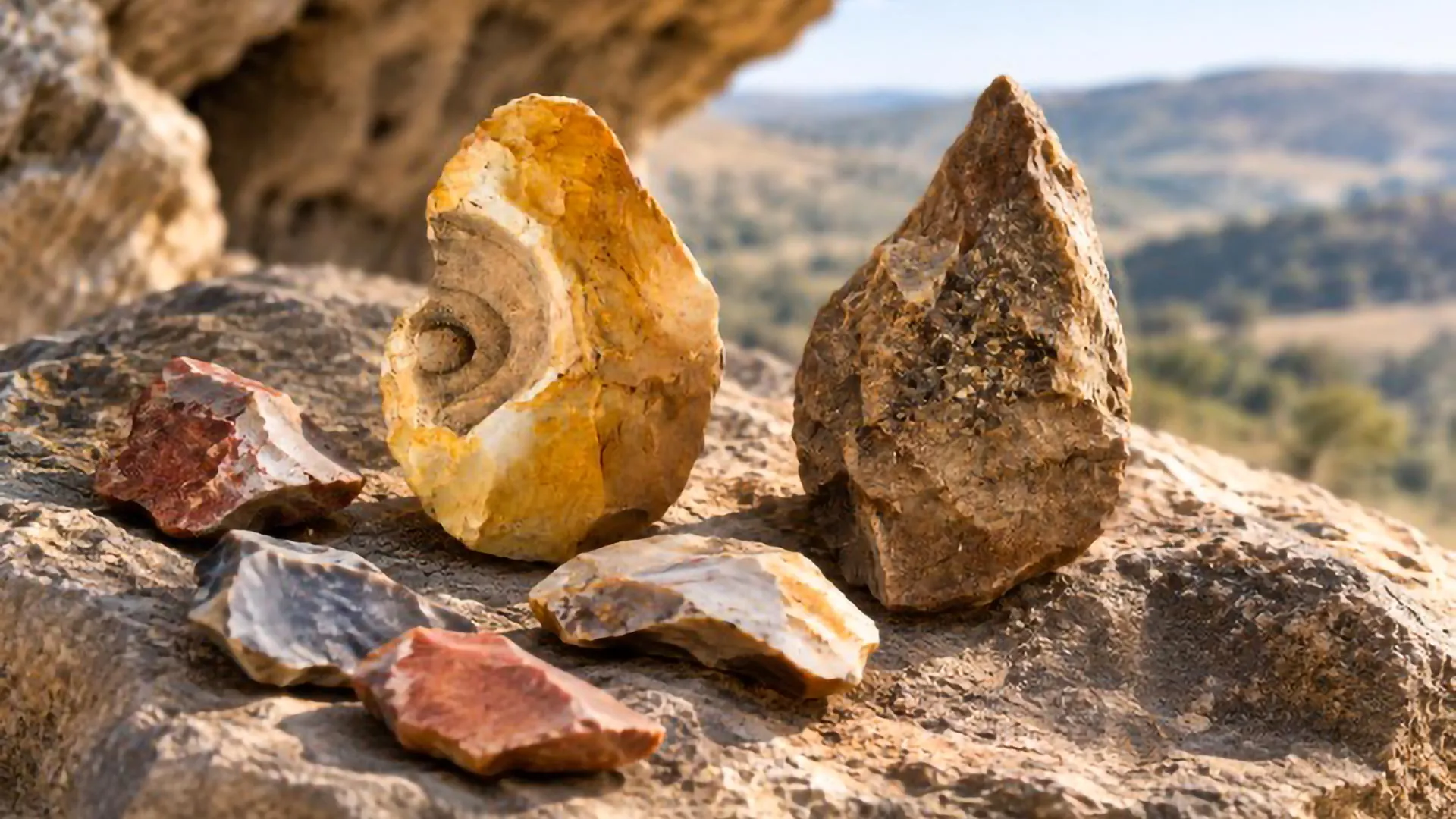
Researchers at Tel Aviv University argue in Evolutionary Anthropology that people in what is now Israel were already gathering keepsakes around 500,000 years ago, and that this habit may have helped shape personal memory, social bonds, and a sense of identity. The team, led by Dr. Yoav Ram of the School of Zoology, Prof. Ran Barkai and Dr. Ella Assaf of the Department of Archaeology, with Prof. Liad Mudrik of psychological sciences and Dr. Bar Efrati of Oxford University, combined archaeology, evolutionary theory, psychology, and neuroscience. They focus on objects that were carried and kept despite no clear practical use.
At Qesem Cave, small colorful pebbles had been brought from elsewhere. In the Sakhnin Valley, handaxes were knapped from flint that contained fossils or striking geological features, sometimes shaped so those details stayed visible and tactile at the center. At Revadim, Jaljulia, and Qesem Cave, much older flint tools were recovered after their surfaces had already aged; some were resharpened, yet large parts of the original craftsmanship remained, as if the look of age itself mattered.
The researchers suggest such items served as portable cues to past places and events. Color, shape, and texture may have helped people tell a lived experience from a story or an imagined one, and showing an object could make a claim more believable. Reliable recall of encounters, alliances, gifts, shared duties, and rights to places would have aided cooperation and trust. Over generations, collecting keepsakes may have favored brain mechanisms that track where memories come from and how trustworthy they are.
Continue in the app — vote & join in ➔